

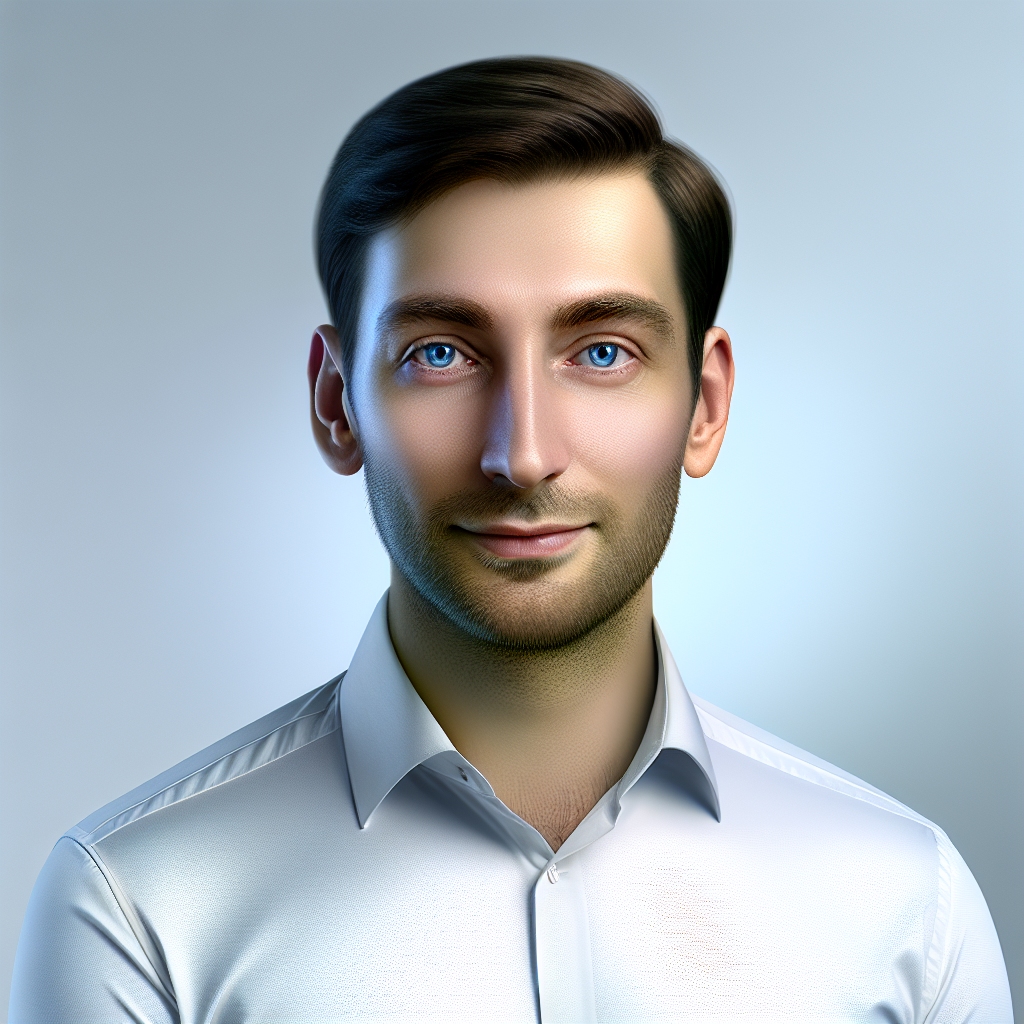
Imagine a world where actors are not just human but also digital creations, crafted by the intricate codes of AI. Sounds like sci-fi, right? Well, we’re closer than ever, especially with the recent decision by the Academy of Motion Picture Arts and Sciences (AMPAS) declaring AI-generated actors and scripts ineligible for Oscars. This could reshape the landscape of filmmaking and raise numerous questions about creativity, authenticity, and the future of storytelling.
What's the Ruling About?
In a move that has sparked debates across Hollywood, the Academy’s announcement specifies that any performance or script produced by artificial intelligence won’t qualify for their prestigious awards. This ruling primarily targets digital entities like the AI-generated actress Tilly Norwood, who gained attention for her work in a short film. The bottom line is that a clear boundary is set between human and machine when it comes to cinematic artistry.
A Bit of Background
Now, let’s take a step back. Tilly Norwood wasn’t just a random name thrown into the mix. She represents a growing trend where AI is beginning to play a significant role in the creative arts. From crafting scripts to delivering performances, AI technologies have rapidly advanced, catching the eyes of filmmakers eager to explore uncharted territories. But this ruling might serve as a wake-up call for an industry grappling with the implications of AI on traditional artistry.
The Implications of AI in Film
Experts suggest that the Academy’s decision reflects a broader concern about the authenticity of human experience in storytelling. If we let AI take center stage, what happens to the human touch? According to Dr. Jane Holloway, a professor of Film Studies at UCLA, “The essence of acting lies not just in the portrayal of characters but in the lived experiences and emotions that actors bring to their roles.”
On the flip side, some argue that AI could be a valuable tool in the creative process, perhaps even enhancing human storytelling rather than replacing it. Imagine AI helping writers brainstorm ideas or even creating complex characters that evolve throughout a narrative. Is there a way for these two worlds to coexist? The question lingers.
Can AI and Human Creators Coexist?
Here’s the thing: while AI has certainly made strides, it still lacks the essence of human creativity. Consider this, an AI can analyze endless data and produce scripts based on patterns, but can it truly grasp the subtleties of human emotion? Can it laugh, cry, or feel heartbreak? Perhaps not. But what if it could enhance human creativity instead? By serving as a collaborative tool, AI could help writers and directors push boundaries further than they’ve ever imagined.
Industry Reactions
The reaction from the industry has been mixed. While many applauded the Academy for preserving the integrity of human performance, others see it as a hindrance to innovation. Filmmaker Jason Lee expressed, “This ruling feels like we’re hitting the brakes on a powerful tool that could revolutionize how we tell stories.”
While some filmmakers worry about missing out on the advantages AI can offer, others believe that maintaining a clear distinction between human and non-human contributions is vital for preserving the art form. It’s a classic tug-of-war: innovation versus tradition.
What’s Next for AI in Entertainment?
Looking ahead, what does the future hold for AI in the entertainment industry? We’re seeing some fascinating experiments with AI-generated content. Online platforms are already hosting AI-created short films, and some indie filmmakers have started incorporating AI elements into their work.
But as we embrace these innovations, we need to ask ourselves how far we’re willing to go. As reported by industry analysts, the question isn’t whether AI will play a role in filmmaking, but rather how we’ll define its contributions. Will we see categories for AI-generated works in the future, or will the industry continue to set boundaries?
The Takeaway
The Academy’s decision to exclude AI-generated performances and scripts from Oscar eligibility is more than just a simple rule; it's a reflection of a larger conversation about the nature of creativity. As technology continues to evolve, so too will our understanding of artistry. It’s crucial for us to find a balance that celebrates human creativity while exploring the potential of AI as a collaborative partner.
In a world where machines are becoming increasingly sophisticated, the question remains: how do we ensure that storytelling remains a uniquely human endeavor? Are we prepared for the next chapter in this evolving narrative?

Alex Rivera
Former ML engineer turned tech journalist. Passionate about making AI accessible to everyone.