

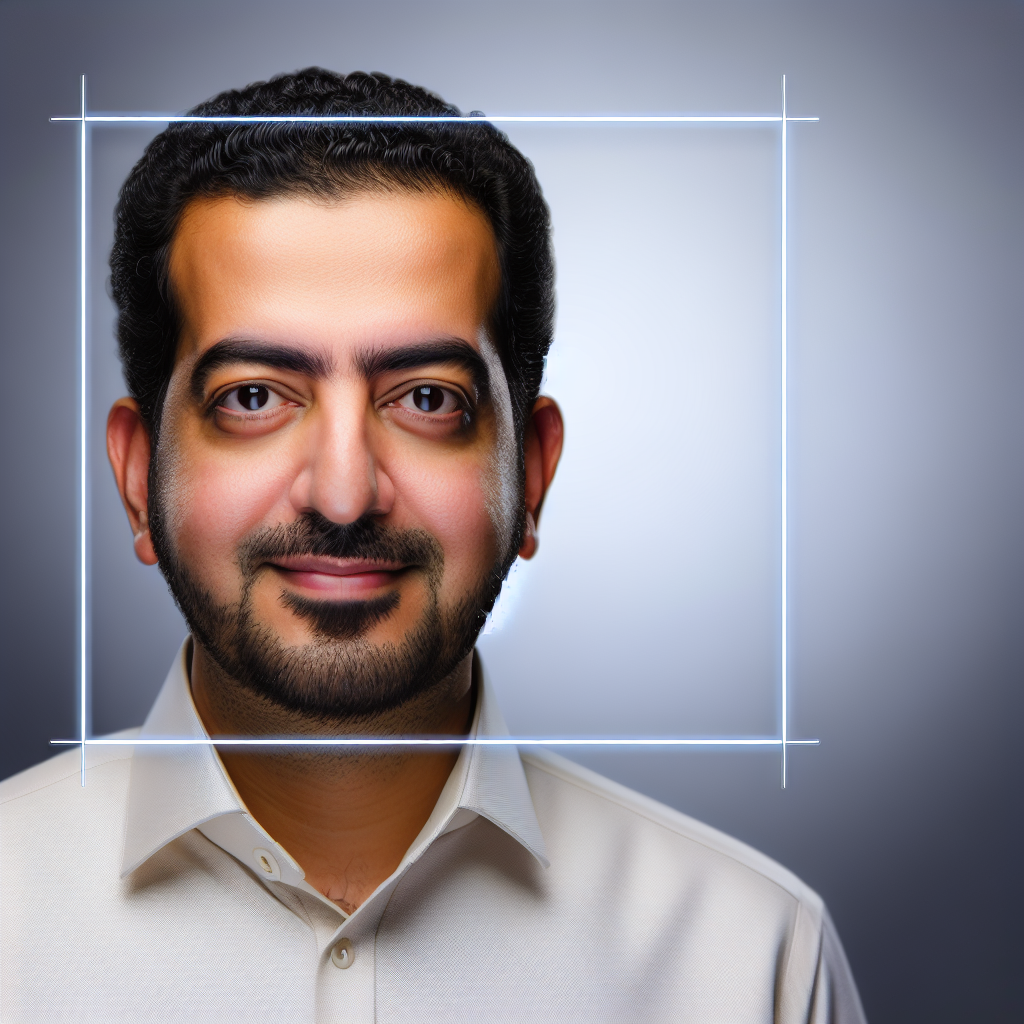
In an unexpected twist, the world of artificial intelligence is reaching out to improv actors for their unique skills in portraying human emotion. Yes, you read that right. A job listing has surfaced looking for creative individuals who can embody characters and express feelings authentically, skills that are now essential for training AI models. This isn’t about the next big Hollywood blockbuster; it's about developing more nuanced AI systems that can understand and replicate human emotional responses.
The Role of Emotion in AI
AI is rapidly advancing, but one area where it often falls short is in understanding the complexities of human emotion. Traditional AI systems can analyze text and speech for sentiment but often miss the deeper nuances that come from real human experience. Enter improv actors. These performers are trained to convey subtle emotional shifts and embody different perspectives, qualities that could significantly enhance AI's ability to connect with users.
What Makes Improv Actors Ideal?
So, what exactly do improv actors bring to the table? For starters, they possess a talent for spontaneity and adaptability. In improv, there's no script, and performers must react dynamically to each situation. This experience allows them to portray a wide range of emotions convincingly. Their ability to stay true to a character’s voice throughout a scene is also key. AI models, like those being developed by leaders in the field such as OpenAI, need to learn these subtleties to interact with users in a more relatable manner.
The Business Behind the Innovation
Handshake, the company at the forefront of this recruitment, is part of a small yet growing niche that specializes in curating training data for AI. They recognize that the future of AI depends on its ability to understand human emotions. As reported, the job listing emphasizes a need for “strong creative instincts” and “authentic emotional expression,” qualities that are typically honed in the theater. This opens the door for actors to play a crucial role in shaping the next generation of AI.
Industry Response and Potential
Industry analysts suggest that recruiting actors for this purpose could be a game-changer for AI companies. By incorporating a wider range of human emotional expressions into training data, these companies can create more empathetic AI systems. The bottom line? Businesses across various sectors, customer support, healthcare, and even entertainment, could benefit from AI that understands and responds to human emotions more effectively.
Real-World Applications
Consider customer service AI, for instance. A more emotionally aware AI could detect frustration in a customer’s tone and adapt its responses accordingly, offering solutions with empathic language. This could dramatically improve user satisfaction and retention rates. And let’s not forget the entertainment industry, where AI-generated scripts or characters could resonate better with audiences, making stories even more engaging.
Funding and Market Trends
The drive for emotionally intelligent AI has already attracted significant investment. Companies like Handshake are securing funding rounds from venture capitalists keen on tapping into this emerging sector. Industry giants are also joining the fray. Google, for example, has been working on projects aimed at enhancing emotional recognition in AI systems. As competition heats up, we can expect more innovative approaches to integrating emotional intelligence into AI.
The Catch: Ethical Considerations
Now, here’s the thing: while the prospect of using improv actors to train AI sounds exciting, it also raises ethical questions. What happens when AI begins to mimic human emotions too closely? Will it blur the lines between genuine human interaction and artificial responses? Experts point out that transparency is crucial here. Users should be aware when they’re interacting with AI, especially if it’s designed to simulate emotional connections.
Looking Ahead
As we venture further into this uncharted territory, we need to keep the conversation going. Can AI truly understand human emotion, or will it always be a simulation? The potential for both growth and ethical dilemmas in this realm is striking. Using actors to instill emotional depth in AI isn't just a neat trick; it's a pivotal step toward creating technology that genuinely understands us.
The recruitment of improv actors to train AI on human emotion is more than a quirky job listing; it's indicative of a transformative shift in how we view machine learning and emotional intelligence. The future is here, and it promises to be far more relatable.

Jordan Kim
Tech industry veteran with 15 years at major AI companies. Now covering the business side of AI.