
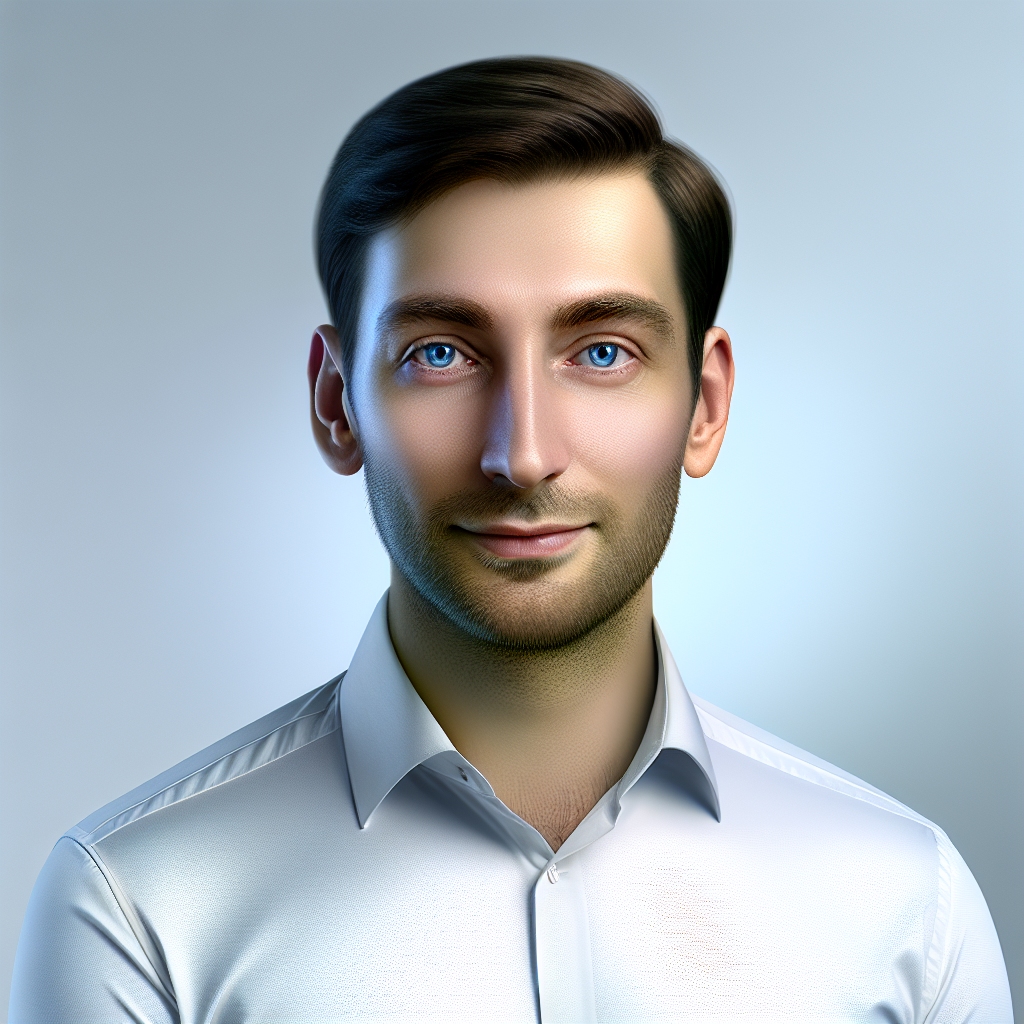
Imagine scrolling through your social media feed and coming across a stunning influencer who seems to be living the dream. You pause, captivated by their flawless looks and engaging posts. But what if I told you this influencer is entirely computer-generated? Welcome to the world of AI content creators, where the line between reality and digital fabrication is becoming increasingly blurred.
The Evolution of AI Influencers
It wasn’t long ago when AI influencers like Lil Miquela, Shudu Gram, and Imma burst onto the scene. Initially, they were easy to spot; digital avatars with distinct styles that screamed artificiality. At first glance, we could chuckle and scroll past. But here’s the thing: as technology evolved, so did these virtual personalities.
Fast forward to today, and we find ourselves in a different landscape. AI influencers are no longer just gimmicks; they’re becoming sophisticated storytellers capable of captivating vast audiences. With advancements in AI, these avatars can now mimic the nuances of human behavior, from emotional expressions to relatable storytelling. Can you believe it?
The Mechanics Behind the Magic
So, how exactly do these digital beings come to life? The backbone of AI influencers lies in machine learning algorithms and generative adversarial networks (GANs). Think of GANs as a competitive game between two AIs: one creates images while the other critiques them, leading to improvements in quality over time. This technology enables AI creators to produce visuals that are almost indistinguishable from real humans.
If that sounds impressive, wait until you hear about the voice synthesis technologies available today. Companies like Descript leverage AI to create lifelike voiceovers that can match the intonations and inflections of real people. It’s no wonder that these digital influencers can engage audiences with the same authenticity as their human counterparts.
Why AI Influencers Are Gaining Traction
As we explore this trend, let’s consider the driving factors behind the rise of AI influencers. For brands, collaborating with an AI avatar offers a slew of benefits. There’s no need for sleep, vacations, or mood swings; these digital personas are always on, ready to engage with followers 24/7.
They can also be tailored to reflect specific brand values. Picture a company wanting to promote sustainability; they could create an AI influencer with an eco-conscious image and voice. This customization gives brands unparalleled control over their messaging.
Consumer Perception: A Double-Edged Sword
But what do consumers really think about these AI influencers? It’s a mixed bag. On one hand, some audience members find them refreshing and innovative. For others, though, there’s a lingering sense of skepticism. Can we trust an influencer who doesn’t even exist in the traditional sense?
I think it’s a valid concern. A recent study indicated that 55% of respondents felt uneasy about engaging with content created by AI. While the tech is fascinating, the human element can’t be overlooked. Brands need to tread carefully as they navigate this new territory.
The Future of Digital Marketing
Looking ahead, the role of AI influencers in digital marketing is set to expand. Industry analysts suggest that as technology continues to improve, we might see more brands adopting AI avatars as primary marketing tools. Imagine a future where our favorite virtual influencers could even host live events, engaging with fans in real-time.
The catch? Brands need to strike a balance between innovation and authenticity. Consumers still crave genuine connections. If AI influencers can provide that while pushing boundaries, we might just be at the dawn of a new era in social media.
Conclusion: What Lies Ahead?
So, what’s the takeaway here? As AI content creators become more prevalent and harder to distinguish from real influencers, it raises important questions about authenticity and trust in digital spaces. Will we embrace this technological advancement, or will we push back for our beloved ‘real’ influencers? As we ponder the future of social media, let’s keep an eye on how this fascinating evolution unfolds.
“AI influencers are redefining how brands engage with consumers. The key challenge remains: how to maintain authenticity in a virtual world.”

Alex Rivera
Former ML engineer turned tech journalist. Passionate about making AI accessible to everyone.