
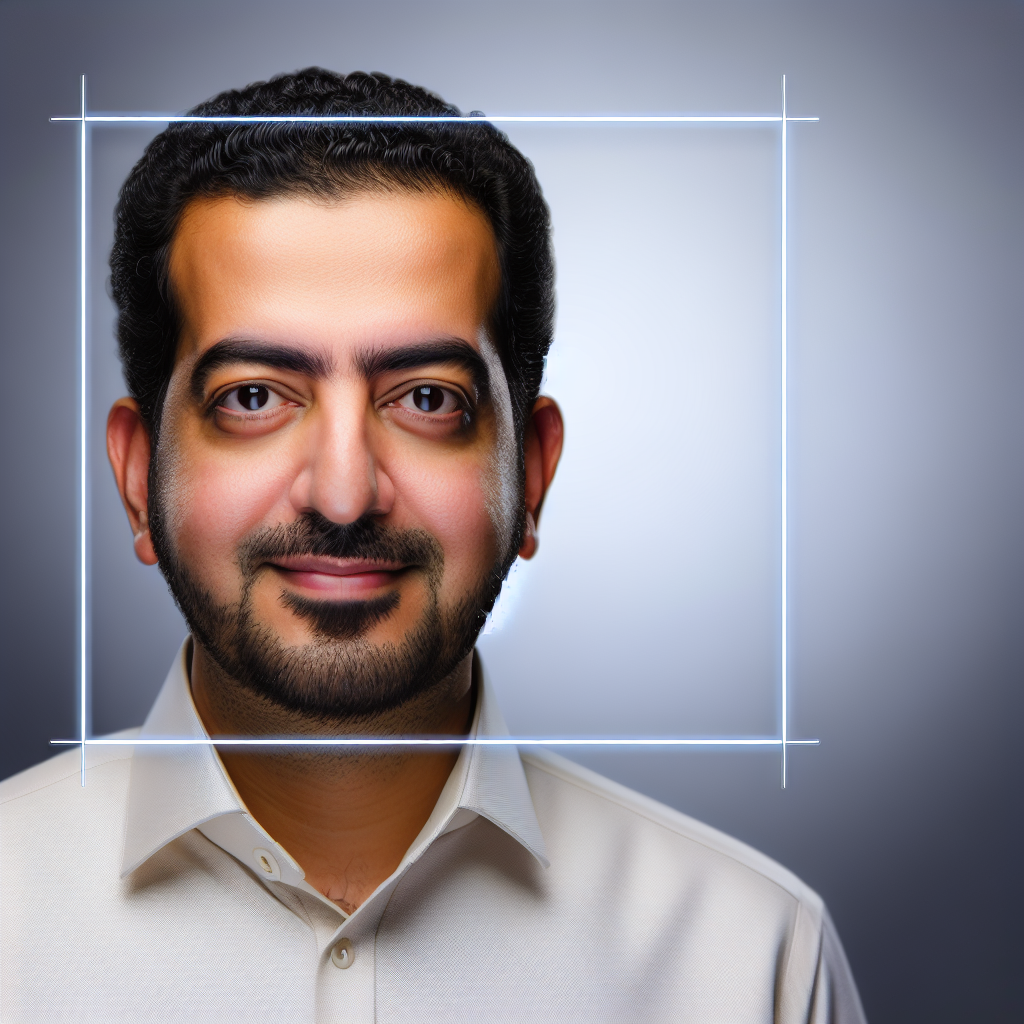
Saturday Night Live has a knack for stirring the pot, and last week’s episode took a sharp jab at the tech world, specifically AI, with none other than Anthropic’s CEO, Dario Amodei, front and center. When Amodei quipped, "AI is the devil and I its maker," he didn’t just deliver a punchline; he sparked a broader conversation about the responsibilities of AI creators.
AI's Dark Reputation
Amodei's statement resonates strongly in a climate where fears about AI run rampant. From Hollywood thrillers to morning news segments, AI is often portrayed as a looming threat, an existential risk waiting to be unleashed. The general public is understandably anxious, with headlines warning about job displacement, data privacy breaches, and the potential for autonomous weapons systems.
The question is how industry leaders like Amodei stand up against this growing tide of skepticism. One way is through transparency and proactive engagement. Amodei's willingness to address the “devil” comment shows a refreshing honesty about the challenges the industry faces. Acknowledging the potential pitfalls of AI isn’t a sign of weakness; it’s a strategic move in the ongoing battle for public trust.
An Industry Under Fire
With players like OpenAI, Google DeepMind, and now Anthropic, the AI sector is teeming with competition. Each of these companies bears the burden of ensuring their technologies are safe and beneficial. Amodei’s SNL moment underscores a pivotal point: AI creators must balance innovation with ethical considerations. As more companies rush to capitalize on AI's potential, the stakes are higher than ever.
Here’s a hard truth: the rapid advancement in AI often outpaces the discussion about its implications. As reported by McKinsey, AI could contribute up to $15.7 trillion to the global economy by 2030. That’s a staggering figure. But how much of that growth will come at the expense of ethical standards?
The Ethical AI Movement
Amodei is tapping into the growing movement toward ethical AI. As tech firms face increased scrutiny, the call for accountability resonates louder. Organizations and researchers are pushing for guidelines that dictate how AI should be developed and deployed. Think of it as the tech version of the Hippocratic Oath: 'First, do no harm.'
Industry analysts point out that companies with solid ethical frameworks will likely have a competitive advantage. In a market where trust is paramount, those that prioritize safety and responsibility will stand out. This is especially true for investors who are becoming more discerning about where they put their money. Just look at how the stock market reacted to the news of AI mishaps; companies can lose billions overnight.
The Role of Regulations
Amodei's comments also bring to light the urgent need for regulations in the AI sector. The EU’s proposed AI Act is a step in the right direction, aiming to classify AI systems based on risk levels and implement appropriate oversight measures. But is it enough? The U.S. has been slower to act, and this could leave a gaping regulatory gap.
Regulations can be a double-edged sword. While they’re essential for curbing potential abuses, overly stringent rules can stifle innovation. So how do we strike the right balance? The solution lies in collaboration between tech companies, lawmakers, and the public. Open dialogues will go a long way in shaping policies that foster innovation while safeguarding public interest.
AI in Popular Culture
Amodei’s appearance on SNL also highlights how AI is woven into the fabric of popular culture. From films like “Ex Machina” to series like “Black Mirror,” AI is portrayed not just as a tool but as a character in its own right, often with sinister motives. This portrayal can shape public perception and influence policy decisions.
When people see AI as a threat, it can lead to calls for tighter controls, which may inadvertently hinder beneficial advancements. The entertainment industry has a significant role to play here, and they must tread carefully. Many of these narratives stem from a fundamental misunderstanding of AI's capabilities and limitations.
What Comes Next?
Looking ahead, the focus for AI companies must shift from merely creating powerful tools to ensuring they’re used ethically. As we've seen with companies like Theranos, a lack of accountability can lead to disastrous consequences. The AI community must learn from these mistakes and prioritize ethical practices.
But here’s the kicker. The conversation about AI isn’t going away anytime soon. If anything, it’s just heating up. Stakeholders need to prepare for a future where ethical considerations are as crucial as innovation itself. It’s about not just being the smartest in the room but also the most responsible.
The Bottom Line
As Dario Amodei takes on the SNL spotlight, his comments offer a rare opportunity to reflect on the moral obligations tech leaders have in shaping the future of AI. It’s a call to arms for transparency, accountability, and ethical frameworks. If the industry doesn’t rise to the occasion, the risks may outweigh the rewards.
AI isn’t just about algorithms and data; it’s about the people it affects. We need to tread carefully before we end up facing our own creations, and the world isn’t ready for that moment.

Jordan Kim
Tech industry veteran with 15 years at major AI companies. Now covering the business side of AI.