
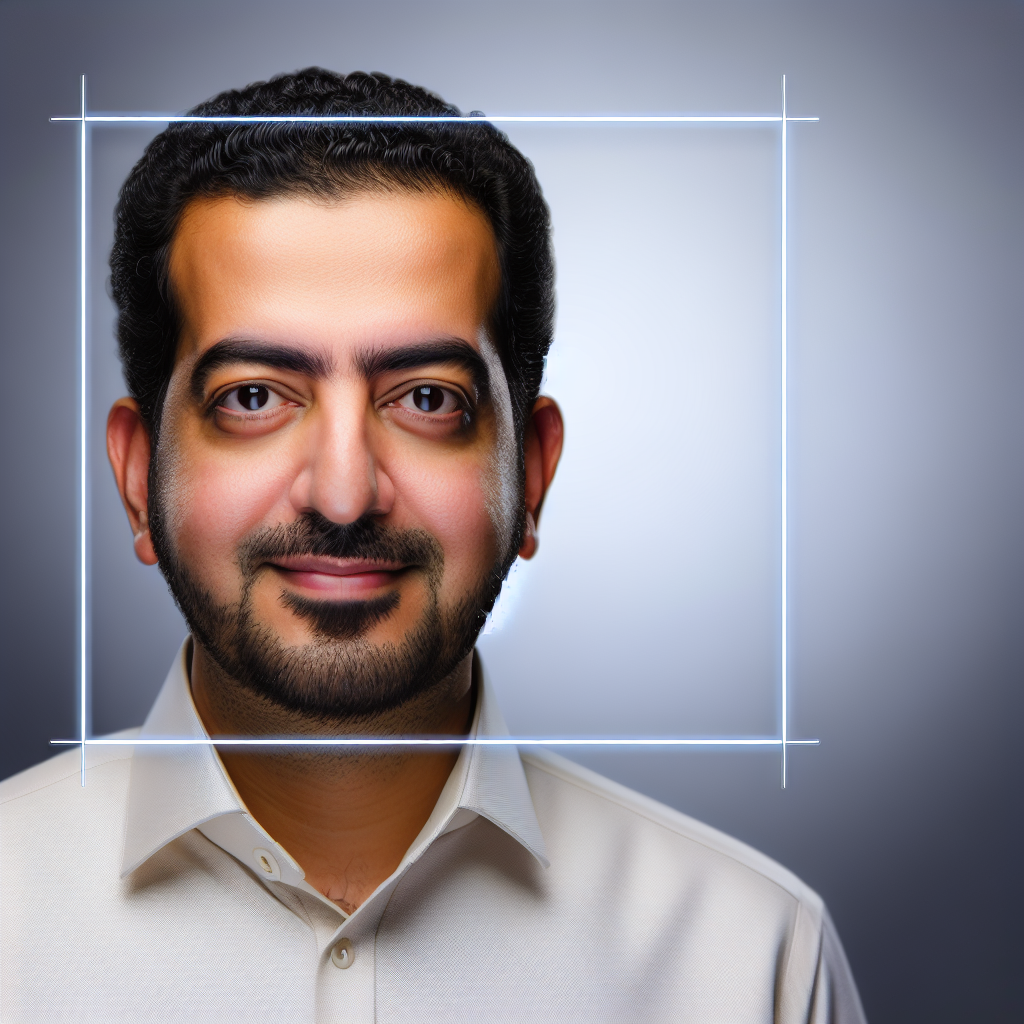
In a surprising turn of events, Elon Musk's legal battle against his OpenAI co-founders has come to a definitive end. A California jury, consisting of nine members, delivered a unanimous verdict against Musk, determining that his claims of mistreatment were filed too late. This case, which garnered significant media attention, not only highlighted the ongoing tensions within the AI community but also underscored the complexities surrounding the tech industry's power dynamics and the legal frameworks that govern them.
The Background of the Dispute
The rift between Musk and OpenAI's leadership has been brewing for some time. When OpenAI was founded in 2015, the ambitious goal was to ensure that artificial intelligence benefits all of humanity. Musk, a prominent figure in the tech world and a co-founder of OpenAI, publicly expressed concerns about the ethical implications of AI. Over the years, his criticisms have evolved, and he has made headlines for his provocative statements regarding AI safety.
But what exactly sparked this lawsuit? According to Musk, he felt sidelined by the organization he helped start. He claimed that the management, particularly Sam Altman, had made unilateral decisions that deviated from the original mission. Musk's allegations included a lack of transparency and accountability, which he argued were critical for the ethical development of AI technologies. Yet, despite the emotional weight of his claims, the jury ultimately ruled against him, citing the timeliness of the lawsuit as a primary factor.
The Jury's Decision
In their deliberation, the jurors focused on the technicalities of Musk’s lawsuit. They unanimously agreed that Musk's claims had exceeded the statute of limitations, meaning he had waited too long to file his grievances. This legal technicality raises an interesting point about the dynamics of power in Silicon Valley. Musk, despite his status and influence, was unable to maneuver within the legal frameworks that govern such disputes.
“It comes down to the timing,” commented legal expert Jane Doe. “Musk's powerful voice in the tech industry doesn’t exempt him from the law.”
The Impacts on OpenAI and the AI Landscape
The decision sends ripples throughout the AI industry, particularly for OpenAI. With a market valuation of over $20 billion following the explosive growth of its flagship product, ChatGPT, the organization is navigating a tricky path. Sam Altman has emerged as a key figure in the AI narrative, championing innovation while addressing ethical concerns. The lawsuit's outcome reinforces Altman’s leadership and direction for OpenAI, allowing him to continue pursuing ambitious projects without the shadow of Musk's allegations looming overhead.
What does this really mean for the future of AI? It signals a shift in how disputes might be handled within tech companies. As OpenAI and other AI enterprises continue to grow, establishing clear governance frameworks will be essential. This case highlights the need for transparency and accountability in leadership—something Musk advocated for but struggled to achieve within OpenAI.
Industry Reactions
The reactions from industry experts and peers have been varied. While some have sided with Musk, emphasizing the need for stronger oversight and ethical guidance within tech companies, others have applauded the verdict as a win for corporate governance and accountability. Industry analysts suggest that this could serve as a precedent for how similar disputes will be resolved in the future.
- David Smith, Tech Analyst: “Musk’s claims highlight the ongoing struggle for control in fast-growing tech companies. This lawsuit may deter potential whistleblowers in the future.”
- Maria Gonzalez, AI Ethicist: “While Musk's concerns are valid, we also need to acknowledge the advancements OpenAI has achieved under Altman's leadership.”
- Tom Richards, Legal Consultant: “Timeliness is crucial in legal disputes. Musk's delayed action might have cost him the case.”
The Future of Musk and OpenAI
Looking ahead, what will become of Musk and OpenAI? For Musk, this loss might signal a shift in focus—a recalibration of his efforts in the tech landscape. Known for his ventures across multiple industries, including automotive and space exploration, Musk has not been one to shy away from challenges. His next move could very well redefine his relationship with AI.
On the other side, OpenAI's trajectory seems promising, especially with its continuous advancements in machine learning and natural language processing technologies. With a significant focus on safety measures and ethical guidelines, OpenAI is likely to maintain its competitive edge, especially as rivals emerge in this rapidly evolving field.
Lessons Learned
This case serves as a cautionary tale for founders and tech leaders. Legal frameworks exist for a reason, and understanding them is crucial in navigating complex relationships within startups. Musk's experience is a reminder that even industry titans must operate within the confines of the law.
The question remains: how can tech companies balance innovation with ethical responsibility? The industry must address this challenge head-on or risk facing more disputes like Musk's in the future.
Conclusion
As the dust settles on this high-profile case, it’s clear that the legal landscape surrounding tech companies is evolving. Musk's loss against OpenAI underscores the importance of timely action and sound governance. It also highlights how swiftly the narrative can pivot in the tech arena—one moment you're a co-founder, and the next, you're embroiled in a legal battle. For those of us watching from the sidelines, this saga is a reminder of the intricate interplay between ambition, innovation, and the law. Keep an eye on this space; the implications of this case will reverberate through Silicon Valley for years to come.

Jordan Kim
Tech industry veteran with 15 years at major AI companies. Now covering the business side of AI.