
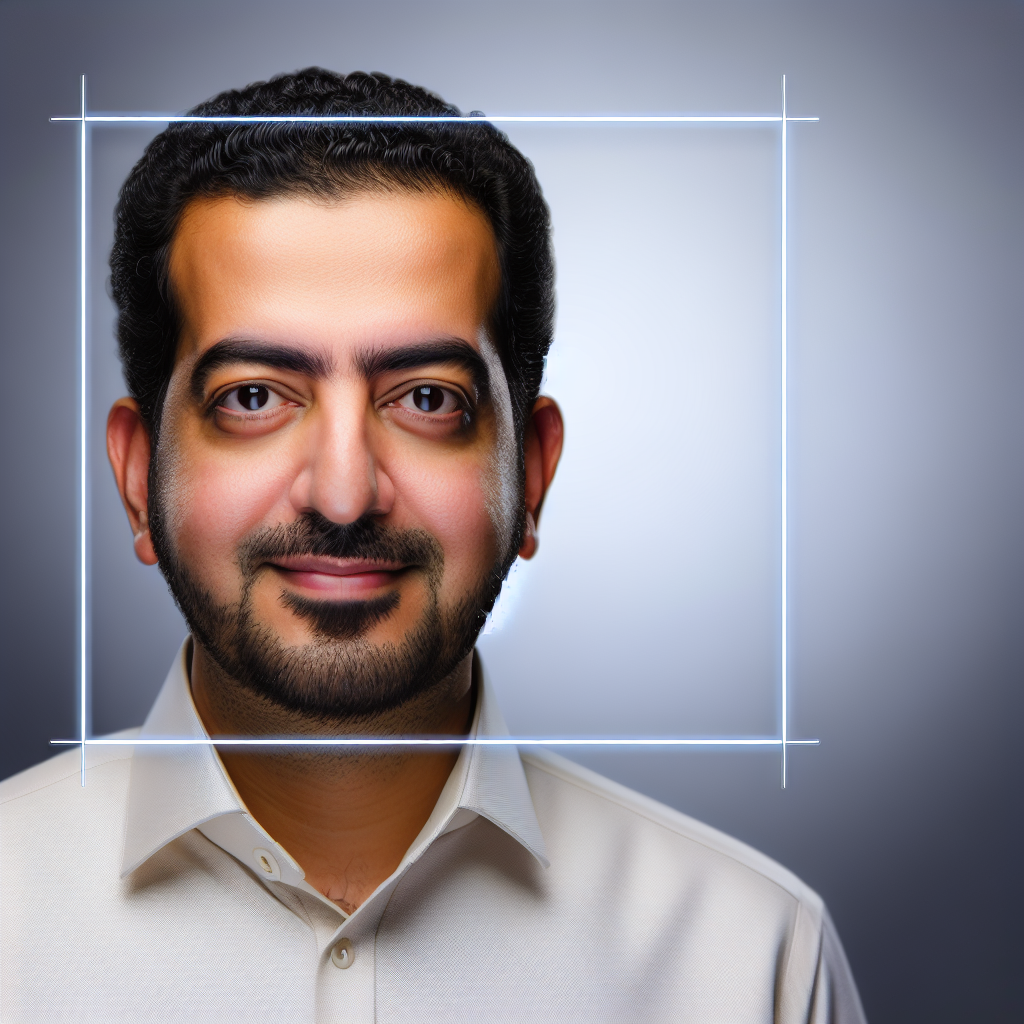
OpenAI is experiencing a notable shift in its leadership dynamic, with co-founder Greg Brockman stepping into a pivotal role to guide the company’s product strategy. This move comes amid reports that OpenAI plans to merge its popular ChatGPT with its code generation tool, Codex, creating what many in the industry see as an essential evolution in AI-driven productivity.
The Significance of Brockman's Leadership
Greg Brockman's appointment to lead product strategy isn’t just a reshuffle on the corporate ladder; it's a strategic response to the rapid advancements in the AI landscape. Brockman, who has been instrumental in OpenAI's journey since its inception, understands the technical and commercial nuances of AI like few others.
But what does this really mean for OpenAI's future? In my view, it signals a shift towards consolidating capabilities under a unified brand, which could enhance user experience and drive adoption across various sectors.
Integrating ChatGPT and Codex
The announcement about merging ChatGPT with Codex is more than just a technical integration; it’s about creating a powerful platform that appeals to both consumers and developers. ChatGPT has already proven to be a hit among users for its conversational abilities, while Codex has been a game-changer for developers looking to streamline coding tasks.
Industry analysts suggest that combining these two products could lead to a more intuitive AI that not only chats but also understands complex coding paradigms. Imagine asking ChatGPT for coding help, and it not only responds but also generates code snippets tailored to your specific needs. This could redefine how people interact with technology.
Market Implications of the Move
OpenAI's decision to consolidate products could have significant implications for its competitors. Companies like Microsoft and Google are already heavily invested in AI technologies, and any advancements from OpenAI could shake up their ongoing strategies. As reported by various tech outlets, Microsoft’s investment in OpenAI, rumored to be around $10 billion, underscores the stakes involved.
With this merger, we might see enhanced features that could attract larger enterprise clients who have been hesitant to adopt AI due to concerns about compatibility and functionality. Combining ChatGPT's conversational prowess with Codex’s coding capabilities may very well enhance OpenAI’s market valuation, which already sits impressively around $29 billion.
The Competitive Landscape
How will this new strategy impact OpenAI's standing among its competitors? For one, companies like Anthropic and Cohere are also in the race to build sophisticated AI tools. The question is whether they can keep pace with OpenAI’s rapid advancements.
Experts point out that if Brockman successfully integrates these technologies, it could give OpenAI a leg up in the AI arms race. This could not only solidify their user base but also attract new customers who are looking for comprehensive AI solutions.
What’s Next for OpenAI?
As Brockman takes the reins of product strategy, a few things are clear: OpenAI is focusing on user-centric design and functionality. In my experience covering this space, it’s vital for AI companies to place user experience at the forefront. The tech landscape is evolving quickly, and customer expectations are at an all-time high.
So, what’s next? The integration of ChatGPT and Codex should be closely watched as it rolls out. If executed well, this could lead to a suite of features that not only streamlines work for developers but also enhances the way end-users interact with software.
Potential Challenges Ahead
However, integration isn’t without its hurdles. Merging two powerful tools requires meticulous planning to ensure that neither product loses its unique strengths. If the experience becomes convoluted, OpenAI risks alienating its user base.
With competitors breathing down its neck, the company needs to ensure that its product strategy keeps pace with technological innovations elsewhere. The landscape is competitive and fraught with ethical questions regarding AI’s role in society. These are challenges that Brockman and his team will need to navigate carefully.
Final Thoughts
Greg Brockman's leadership could be a transformative moment for OpenAI. By marrying ChatGPT with Codex, the company is not just responding to industry trends; it’s setting new ones. Everyone is watching to see how this bold strategy unfolds.
OpenAI stands at the brink of a new era, with the potential to redefine not just how we code but how we communicate with machines. As the integration progresses, I encourage tech enthusiasts and business leaders alike to keep an eye on OpenAI. The implications are vast, and the future looks promising.

Jordan Kim
Tech industry veteran with 15 years at major AI companies. Now covering the business side of AI.