

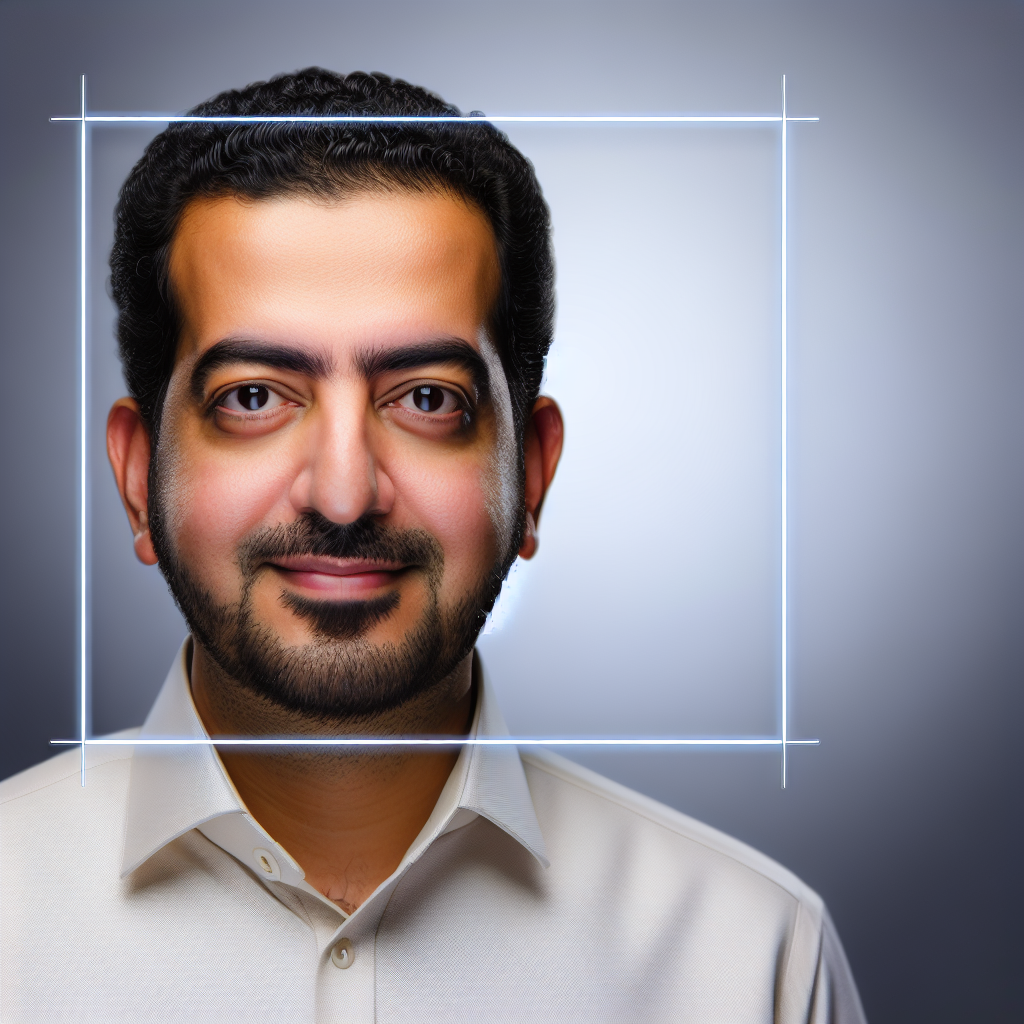
We're living in a wild era where the lines between reality and fabrication are more blurred than ever. The internet, once heralded as the ultimate information democratizer, now feels like a chaotic bazaar filled with half-truths and outright lies. From AI-generated images to manipulated video footage, our traditional bullshit detectors are seriously malfunctioning.
The Rise of AI-Generated Media
Take a moment to think about AI-generated content. Just a few years ago, the idea of a machine creating images or text indistinguishable from what a human could produce felt like science fiction. But here we are. Tools like DALL-E and Midjourney have changed the game, allowing anyone with a taste for creativity to generate stunning visuals with a simple text prompt.
But what does this really mean for our perception of reality? Experts point out that these advancements could undermine our ability to trust what we see. When a realistic image can be fabricated in seconds, how do we know what’s authentic? In my view, this is a slippery slope. Once we start doubting images, we begin to question everything.
The Impact on Journalism
Journalism, often regarded as the bedrock of a functioning democracy, is facing unprecedented challenges. A recent survey by the Pew Research Center highlights that nearly 70% of Americans worry about online misinformation. When traditional media outlets struggle to compete with the speed and reach of social media, sensationalism often wins out over accuracy.
Consider the infamous Pizzagate incident, a completely fabricated story that spiraled out of control, leading to real-world consequences. That’s a stark reminder that misinformation can have dire effects. When news consumers can't differentiate between fact and fiction, it creates a dangerous environment for public discourse.
Satellite Data and the New Gatekeepers
Another layer complicating our understanding of what's real includes access to satellite imagery. Companies like Planet Labs and Maxar Technologies have transformed how we view our planet. They provide high-resolution satellite images that can show changes in landscapes or monitor environmental disasters.
However, these images are often behind paywalls or restricted access. For instance, when a natural disaster strikes, it can take time before the imagery is available to journalists and the public. This means we’re often reliant on filtered information from corporations. And wait, what happens to accountability when the gatekeepers decide what we can or cannot see?
The Role of Social Media Algorithms
Let’s talk about social media. Platforms like Facebook, Twitter, and TikTok are designed to maximize engagement, but they often do so at the expense of truth. These algorithms favor sensational content because it gets more clicks. It’s no wonder we’re inundated with conspiracy theories and misleading headlines.
Think about it: you could be scrolling through your feed and see a video of a supposed UFO sighting. As it turns out, that video was expertly crafted using AI techniques. When algorithms prioritize engagement over accuracy, they can create echo chambers where misinformation thrives. Sound familiar?
Expert Perspectives on the Crisis
“The internet has democratized information, but it has also made it easier to manipulate reality,” says Dr. Sarah Henderson, a media analyst. “We need to develop better tools to discern fact from fiction.”
Dr. Henderson raises an essential point. We’re at a crossroads. As technology improves, so does the sophistication of disinformation. We can’t rely solely on traditional fact-checking. New solutions must emerge. I’ve seen promising developments in AI that can identify manipulated media, but they’re still in their infancy.
Building New Bullshit Detectors
So, what's the answer? Education. Media literacy should be a priority in schools and workplaces. People need to learn how to critically assess information. Here’s the thing: if we don’t equip ourselves with the right tools and knowledge, we’re setting ourselves up for failure.
Tech companies must take responsibility. They need to invest in better moderation and transparency. If platforms are to be the new public squares, they can't just be profit-driven entities. They have a social responsibility.
The Future: What Lies Ahead?
As we move forward, the question remains: can we rebuild our bullshit detectors? In my experience covering this space, I believe it's possible, but it requires collective effort. The tech world has a vital role in creating solutions, whether through better algorithms that prioritize truth or innovative tools that help users verify content.
At the same time, we as consumers must demand more from the content we engage with. Are we willing to be discerning, or will we continue to scroll mindlessly, consuming whatever pops up on our feeds? That’s the challenge we face in this era of information overload.
A Call to Action
Let's not forget the importance of community. Sharing credible sources and supporting trustworthy journalism can create a ripple effect. By fostering a culture that values truth over sensationalism, we can gradually improve our online environment.
The bottom line is this: the internet has changed the way we interact with information, but it doesn't have to dictate our reality. It’s up to us to reclaim our bullshit detectors and demand better. So, let’s watch this space closely because the stakes have never been higher.

Jordan Kim
Tech industry veteran with 15 years at major AI companies. Now covering the business side of AI.