

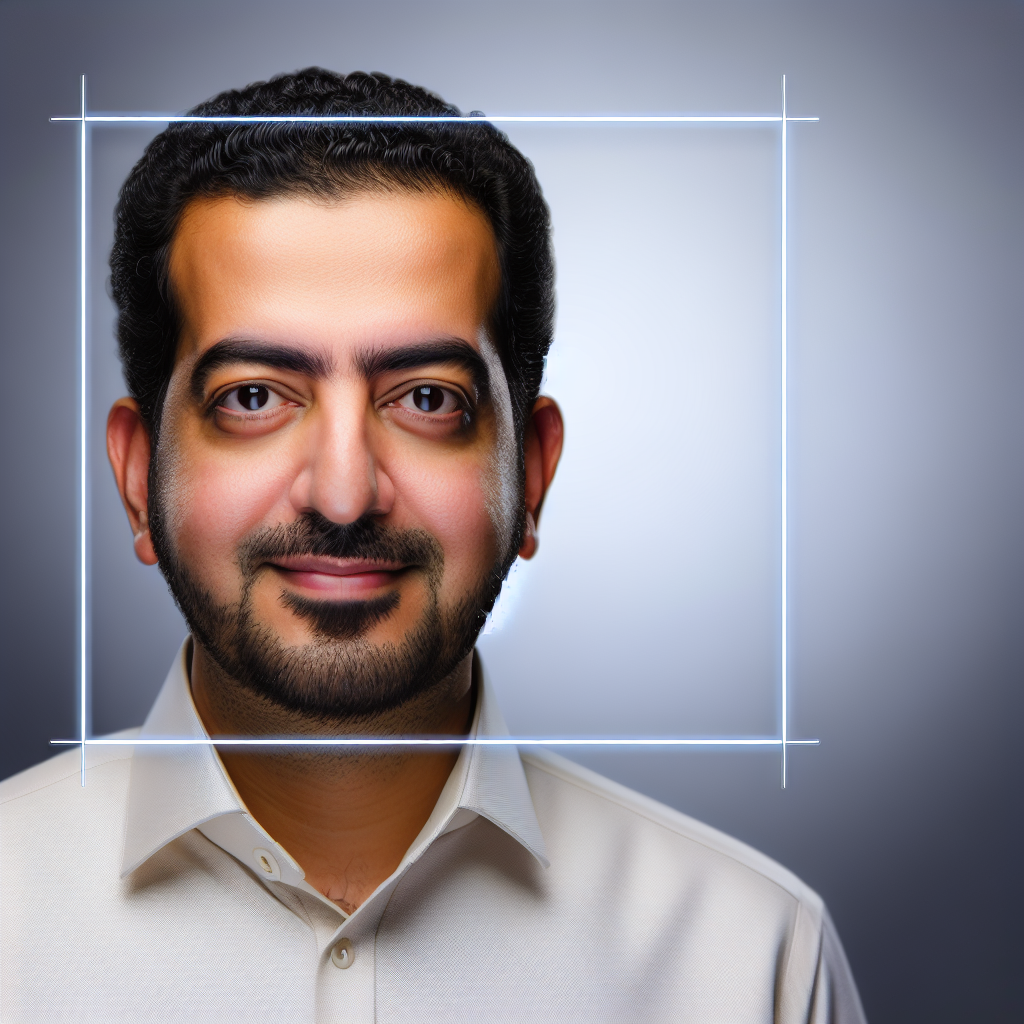
With the clock ticking down, Instagram and X (formerly Twitter) are gearing up for a serious challenge. India’s recent mandate requires social media platforms to swiftly remove illegal AI-generated materials and clearly label synthetic content. This new legislation takes effect on February 20th and has left tech giants scrambling to comply. But can they really meet such a high-pressure deadline?
The Mandate Explained
On February 20th, 2024, social media platforms must adhere to India’s stringent new laws aimed at combating the rise of deepfake technology. As one of the largest internet markets, with over a billion users, many of whom are under 25, India’s actions are a wake-up call for platforms like Instagram and X. The government expects these companies to ensure that all synthetic content is identifiable and to take down any content deemed illegal without delay.
What's at Stake?
The stakes couldn’t be higher. Non-compliance could lead to significant fines and, even more importantly, a loss of user trust. Companies have long claimed they would take action against deepfakes. Now, they're under pressure to actually deliver. The pressure is immense; swift compliance hinges on robust technology.
Current State of Deepfake Detection
As it stands, the best methods for detecting deepfakes are far from foolproof. Most rely on algorithms that assess anomalies in video and audio content, but these tools often struggle against well-crafted fakes. Companies have been investing in AI to improve deepfake detection, yet the effectiveness of these solutions varies widely. A recent study from the University of California, Berkeley, found that current detection tools miss up to 30% of deepfakes, raising serious concerns about their reliability under pressure.
Industry Responses
Some platforms are already mobilizing. Instagram, owned by Meta, is reportedly ramping up its AI capabilities to meet these mandates. The company pledged to enhance its artificial intelligence systems to better identify synthetic content, but will it be enough? Can they roll out these new features in time?
- Funding and Partnerships: Tech companies are seeking partnerships with AI start-ups specializing in deepfake detection. For example, Meta recently invested $50 million into various AI research initiatives, aiming to stay ahead of the curve.
- Transparency Initiatives: X has launched a new transparency initiative, promising to label AI-generated content and provide users with information on who created it. But how effective will this be when the deadline looms?
The Growing Importance of Labeling
Labeling is more than just a regulatory requirement; it’s a crucial step in preserving user trust. The question is how do platforms ensure accuracy and avoid false labeling? Industry analysts suggest that a multi-layered approach, combining AI detection with human review, might be the best way forward. However, this involves additional resources and time—two commodities that are in short supply right now.
Global Implications of India's Regulations
The global ripple effect of India’s decision is striking. If these regulations prove effective, we could see similar mandates emerging in other countries. The European Union is already contemplating stricter laws on AI-generated content, and the U.S. could follow suit. This means platforms will need to adapt quickly—not just in India but globally.
Expert Opinions
Experts point out that while the intent behind these regulations is noble—to protect users from misinformation—the execution poses challenges. Dr. Sarah Thompson, an AI ethics researcher, argues that “These mandates will push companies to innovate, but it’s a double-edged sword. The rush to comply might lead to half-baked solutions.”
“The rush to comply might lead to half-baked solutions.” - Dr. Sarah Thompson
The Tech Behind Detection
Let’s break down the technology. Most deepfake detection tools utilize machine learning algorithms that analyze digital signatures and inconsistencies in videos. Some companies are even exploring blockchain technology for better verification of content authenticity. However, this technology is still in its infancy, and it will take time to mature. For now, it’s a race against the clock.
Potential Business Opportunities
This challenge presents a unique business opportunity. Companies that can develop reliable deepfake detection tools stand to gain significantly in a market that’s crying out for solutions. The potential for new start-ups offering specialized tools is immense. We could see a wave of innovation driven by necessity. Funding for AI start-ups focusing on deepfake detection has already surged, with investments reaching upwards of $200 million this past year.
Future Trends
Looking ahead, the future of deepfake detection isn’t just about compliance. It’s about creating a safer online ecosystem. Platforms will need to balance user privacy with transparency. The catch is users are often skeptical about how their data is used. Any misstep can lead to backlash and further erosion of trust.
A Call to Action
The race to meet India’s deadline is just the beginning. As technology continues to advance, so too will the tactics employed by those creating deepfakes. Companies must not only meet regulatory demands but anticipate future challenges. This means investing in R&D, partnering with experts, and listening to user feedback. So, what happens next? Will Instagram and X rise to the occasion, or will we see a significant setback in the fight against misinformation?
As we approach the February 20th deadline, the industry is watching closely. The pressure is on, and the consequences of failure could be substantial. It’s time for social media platforms to prove they can not only talk the talk but also walk the walk.

Jordan Kim
Tech industry veteran with 15 years at major AI companies. Now covering the business side of AI.