
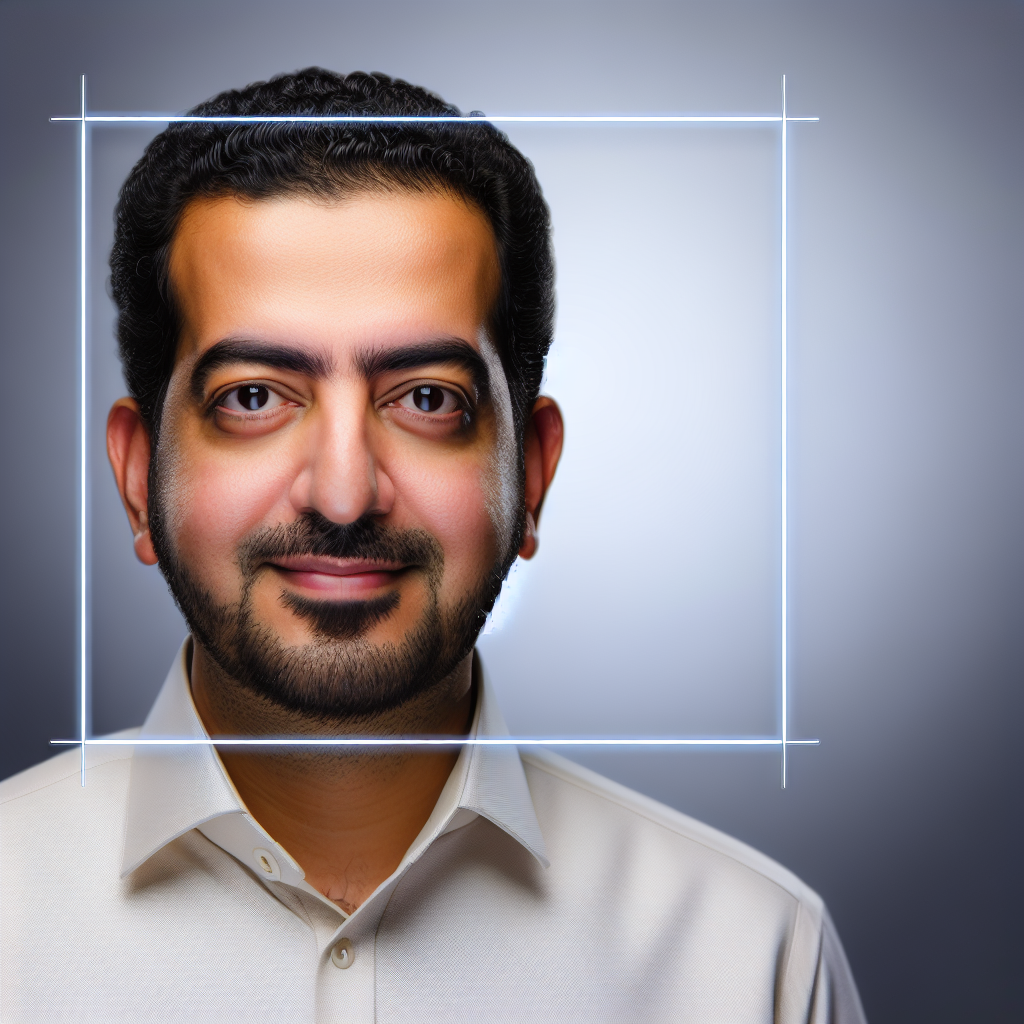
The tech world is buzzing as Jeff Dean, a pivotal figure in AI development at Google, announced he's departing the tech giant to co-found a new startup aimed at revolutionizing scientific discovery through artificial intelligence. This move isn't just a career shift for Dean; it's a rallying cry for innovation in a field that's ripe for disruption.
Why This Departure Matters
Dean isn't the only one making waves; he's joined by a cadre of seasoned Google executives, each bringing years of experience and expertise. The question on everyone's lips is: what does this mean for AI and scientific research?
At Google, Dean played a crucial role in shaping technologies like TensorFlow and Google Brain. His departure signals a significant loss for the company but an exciting opportunity for the startup ecosystem. With the backing of experienced minds, this venture could accelerate breakthroughs in various scientific fields, from medicine to environmental science.
Rethinking Scientific Discovery
Imagine a world where AI algorithms can analyze vast amounts of data from scientific studies, pinpointing connections that human researchers might overlook. This is the vision of Dean and his team. They aim to leverage AI not just for efficiency but for genuine scientific insight.
Experts suggest that AI can reduce the time it takes to make breakthroughs by analyzing patterns and predictions faster than traditional methods.
What’s on the Horizon?
Funding will be pivotal for this venture. Early-stage startups in tech often seek millions, and with Dean's reputation, they might attract significant investment. Just last month, a similar startup raised $200 million to develop AI tools for biomedical research, highlighting the potential financial backing available in this landscape.
I can’t help but wonder about the competitive dynamics at play. Other tech giants like Microsoft and Amazon are also investing heavily in AI, especially for research applications. But Dean’s team is uniquely positioned; their firsthand experience at Google gives them insight into both the potential and the pitfalls of AI in science.
The Challenges Ahead
However, the road won't be easy. The startup will face challenges ranging from securing intellectual property to navigating regulatory hurdles in areas like healthcare. As AI tools become more integrated into research, ethical considerations will rise to the forefront. How do we ensure that AI algorithms are fair and unbiased?
Building an Ethical Framework
The success of any AI venture hinges on trust. Researchers need to feel confident that the tools they use won't lead them astray. Dean’s startup will have to build an ethical framework around their technology, and it starts with transparent algorithms. Trustworthy AI must be at the core of their mission.
- Transparent algorithms
- Inclusivity in data sets
- Regulatory compliance
- Addressing biases in AI
Lessons from Google’s AI Journey
Google's journey with AI offers valuable lessons. The company faced scrutiny over data privacy and algorithmic bias. Dean’s new venture could sidestep these pitfalls by being proactive in their approach to ethics and transparency.
Another aspect that intrigues me is the potential for collaboration. If Dean and his team can forge partnerships with universities and research institutions, they could create a powerful ecosystem. This could lead to practical applications of their technology, turning theoretical possibilities into real-world solutions.
Looking to the Future
The bottom line is this: Dean’s departure from Google might just be the shot in the arm that the AI for science sector needs. With his leadership, the startup could redefine how we understand and approach scientific discovery.
Let’s be honest: with AI's growing capabilities, the potential benefits are immense. We could solve pressing global challenges faster than we ever thought possible. However, it hinges on how effectively this new company can execute its vision.
So, what’s next? As they lay the foundation for their startup, I’ll be watching closely. The implications for AI and scientific research could be nothing short of transformative.

Jordan Kim
Tech industry veteran with 15 years at major AI companies. Now covering the business side of AI.