

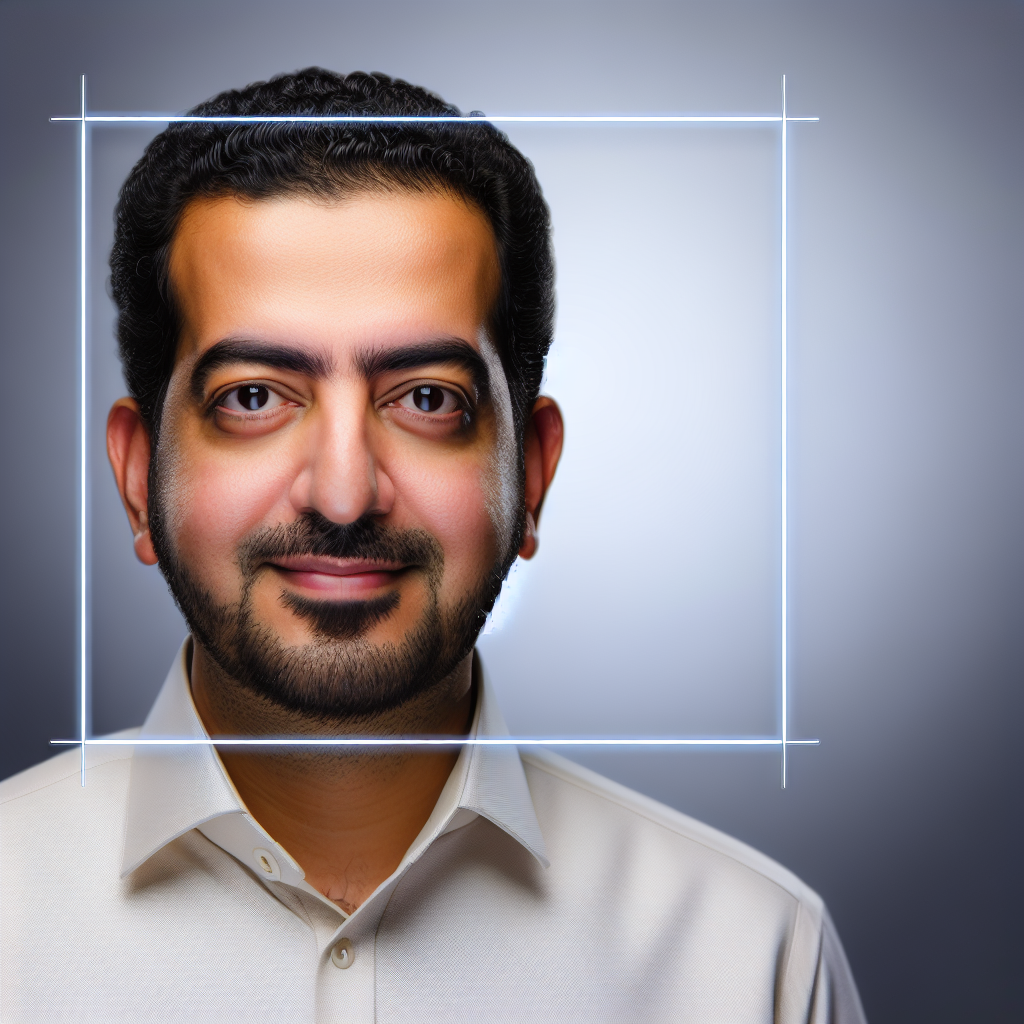
As the world watches the ongoing trial involving Elon Musk and OpenAI, a prominent voice has emerged from the shadows: Stuart Russell. A veteran AI researcher, Russell is Musk's only expert witness in what has become a high-stakes conversation about the future of artificial intelligence. His perspective is clear: we're on the brink of an AGI arms race, and governments need to step in before we reach a point of no return.
Who is Stuart Russell?
Stuart Russell isn’t just any AI expert; he’s a trailblazer in the field. Having co-authored the definitive textbook on artificial intelligence, Russell has spent decades studying the implications of intelligent systems. His work has shaped not only academic discourse but also practical approaches to AI safety. His concerns about an arms race in AGI development are grounded in a wealth of experience. As he puts it, "The systems we are creating today are not just tools; they're potential competitors for power." This is no idle speculation.
The Stakes at the OpenAI Trial
The OpenAI trial has drawn attention not only because of Musk's involvement but also because it raises critical questions about the responsibilities of tech companies. As AI continues to evolve, the distinction between tools and autonomous agents blurs. The trial reflects that uncertainty. Russell's testimony highlights the risks associated with rapid advancement in AI capabilities. He argues that without proper oversight, these technologies could spiral out of control.
The AGI Arms Race
So, what does Russell mean by an AGI arms race? Essentially, it refers to the competition among tech companies and nations to develop the most advanced AI systems. This race could lead to a scenario where entities prioritize speed over safety. Russell warns that in this rush to innovate, ethical considerations may be sidelined. This sentiment echoes across the industry, as many experts share his concerns. For instance, AI pioneer Yoshua Bengio has previously noted that the lack of regulation in AI development could lead to catastrophic consequences.
Government Intervention: A Necessary Step
Russell's call for government intervention isn't just a plea for regulation; it's a call to arms for global cooperation. He believes that without a framework to govern AI development, we risk a fragmented landscape where nations or companies engage in reckless competition.
"If we don't establish rules now, we might end up in a situation where the technology runs amok," Russell warns.In his view, international cooperation is essential to ensure that AI benefits humanity rather than jeopardizing it.
Industry Response
The tech industry is already taking notice of Russell's concerns. Companies like Google and Microsoft are investing heavily in safety protocols and ethical AI initiatives. They understand that public perception is critical. However, others have been slower to act, often prioritizing profits over long-term implications.
- Google's AI Principles
- Microsoft's AI Ethics Board
- OpenAI's commitment to safety
Public Perception and Misinformation
As this debate unfolds, public perception is crucial. Fear and misinformation about AI capabilities can create a backlash against the technology. Russell emphasizes the need for transparency; understanding AI should not be reserved for experts alone.
“People need to be educated about the technologies that are shaping their lives,” he states.This is where responsible journalism and education come in. The public must be informed about both the benefits and dangers of AI.
The Path Forward
Looking ahead, the future of AI will likely be shaped by the interplay of innovation, regulation, and public sentiment. Russell believes we need to adopt a balanced approach, one that embraces innovation while ensuring safety and ethical considerations. The bottom line is clear: we can’t afford to ignore these discussions. As AI continues to permeate various sectors—healthcare, finance, even education—the implications of its unchecked growth could be profound.
The Role of Researchers and Policymakers
Researchers like Russell play a pivotal role in this discourse. Their insights can guide policymakers in crafting effective regulations. But what happens when researchers and industry players don’t see eye to eye? That’s where the conversation becomes critical. Policymakers must listen to the experts, while researchers need to communicate their findings in ways that resonate with the public and decision-makers alike.
Conclusion: A Call to Action
As we navigate this complex landscape, I can’t stress enough the importance of dialogue. Russell’s warnings about an AGI arms race serve as a wake-up call. Let’s be honest: the stakes are too high for us to remain passive observers. We need robust discussions, thoughtful regulations, and a commitment to ethical AI practices. The future of AI shouldn’t just be about who can innovate the fastest; it should be about fostering a safe and beneficial environment for all.

Jordan Kim
Tech industry veteran with 15 years at major AI companies. Now covering the business side of AI.