

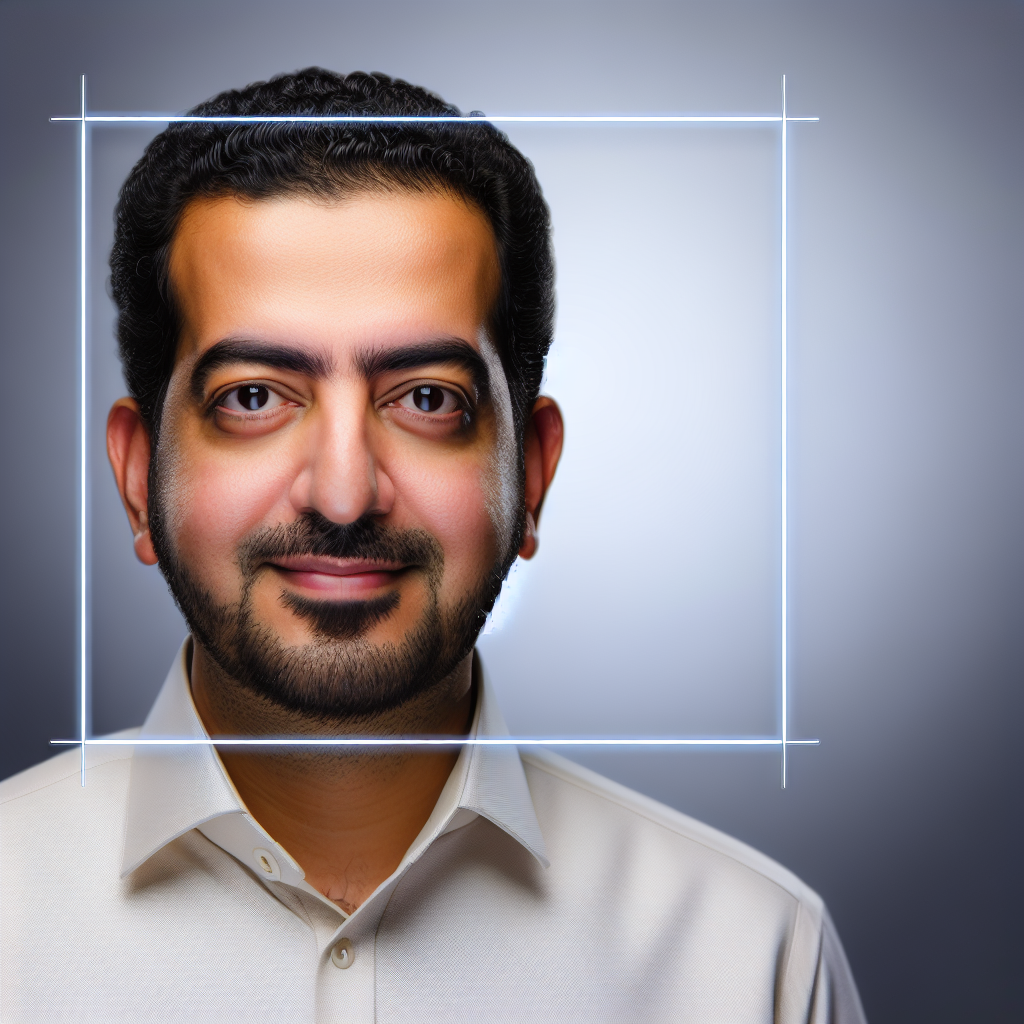
As we dive deeper into the world of artificial intelligence, it's crucial to take a step back and assess its broader implications. Recently, Daron Acemoglu, an esteemed economist and Nobel laureate, shared his insights on what the future holds for AI. His paper, which earned mixed reviews in Silicon Valley, challenges many of the prevailing assumptions about technology's role in the economy. Here’s a closer look at the three trends he believes we should closely monitor.
1. The Shift in Job Markets
Acemoglu argues that AI isn't just another technological advancement; it's a potential disruptor of the job market as we know it. According to him, this wave of automation could replace jobs at an unprecedented rate. But what does this really mean for the average worker?
In his analysis, he suggests we could see a polarization of job types. High-skilled positions may flourish, while low-skilled jobs could dwindle. Tech giants like Amazon and Google are already investing heavily in AI, which raises questions about labor displacement. For instance, Amazon's warehouse robots have streamlined operations, but they've also led to workforce reductions.
Understanding the Workforce Dynamics
Here's the thing: while technology can enhance productivity, it can also create economic inequality. Industry experts note that a lack of investment in worker retraining programs exacerbates this issue. Acemoglu emphasizes the importance of upskilling and reskilling initiatives to prepare workers for a more automated future.
"If we don’t take proactive measures, we risk a significant segment of the workforce being left behind," Acemoglu highlights.
2. AI and Economic Inequality
Another critical point made by Acemoglu is the growing economic divide fueled by AI advancements. He warns that as firms adopt AI technologies, the wealth generated won't be evenly distributed. Instead, the concentration of capital among a few major players will widen the gap between the affluent and the disadvantaged.
Let’s be honest: this isn't just an abstract concern. Think about the impact of major firms like OpenAI and Microsoft. Their investments in AI could lead to skyrocketing market valuations, but what about the small businesses that can’t keep up? The issue isn't merely about tech giants getting richer; it's about the livelihoods of everyday people.
The Role of Policy
In my view, the response from policymakers is imperative. There’s a strong call for regulations that ensure equitable access to AI technologies. The European Union is already drafting legislation to govern AI use, and this could be a template for other regions. If done right, it could foster a more balanced economic ecosystem.
3. The Ethical Implications of AI
Last but not least, the ethical considerations surrounding AI can't be ignored. Acemoglu emphasizes that as AI systems become more integrated into our daily lives, we must question their decision-making processes. Who is accountable when an algorithm makes a mistake? The implications are far-reaching.
Consider the recent controversies surrounding AI in hiring practices. Companies like HireVue are leveraging AI to assess candidates, but critics argue this can lead to bias, reinforcing existing inequalities. Industry analysts suggest that we need to prioritize transparency in AI systems to rebuild trust among users.
Building a Responsible Future
From what I've seen, there's a growing movement within tech circles advocating for ethical AI development. Companies like IBM have committed to creating AI models that are fair and unbiased. Yet, this requires a cultural shift within organizations, prioritizing ethical considerations alongside profit motives.
So, how do we move forward? It’s essential we engage in open dialogues about the implications of AI, from job displacement to ethical frameworks. Acemoglu’s insights serve as a wake-up call, challenging us to think critically about technology’s trajectory.
Conclusion: The Road Ahead
As we navigate this transformative era, the business landscape will be shaped by how we respond to these challenges. Are we ready to embrace a future where AI dictates economic dynamics? The question remains: will we prioritize inclusive growth or allow the divide to deepen?
Keep a close eye on these trends. The decisions made today will determine the socioeconomic landscape of tomorrow.

Jordan Kim
Tech industry veteran with 15 years at major AI companies. Now covering the business side of AI.