
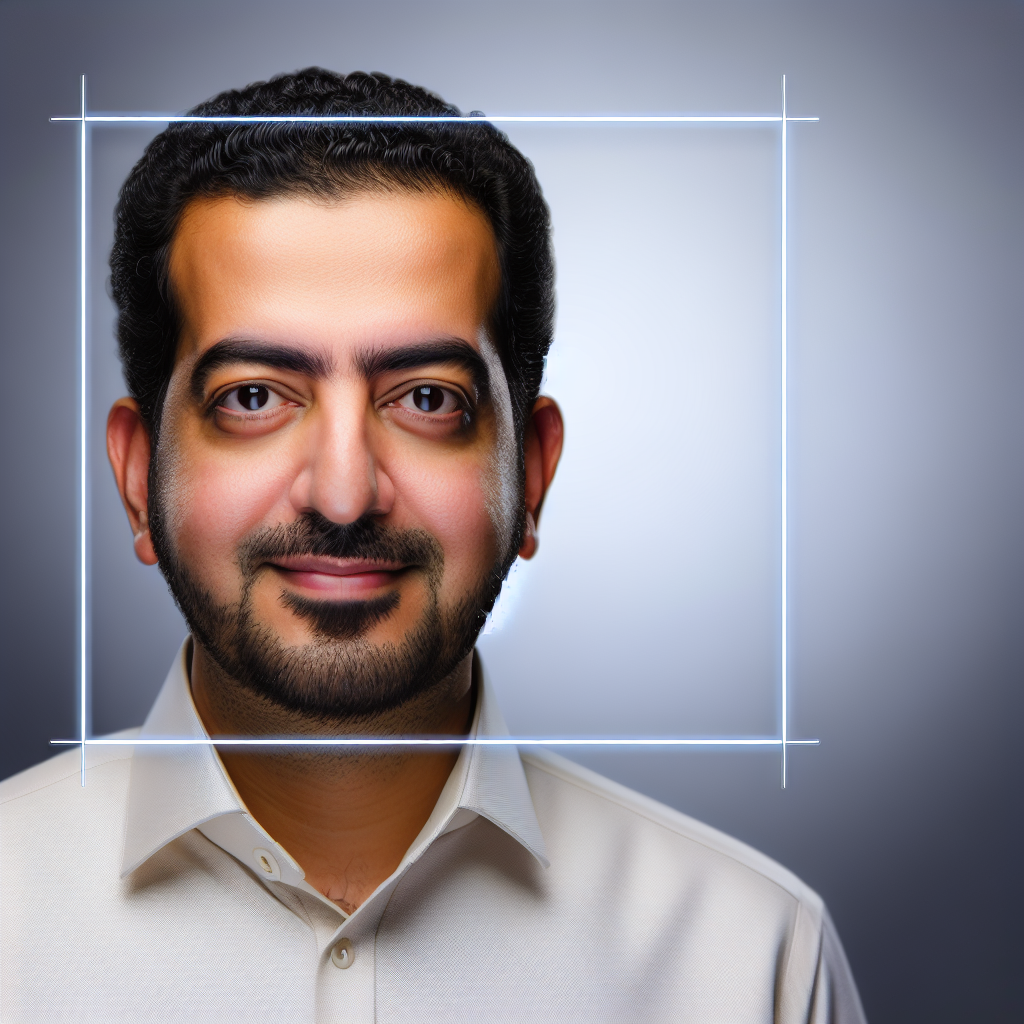
When Connor Christou faced the daunting diagnosis of cancer, he didn’t just rely on traditional medicine; he embraced technology in an unprecedented way. Known for his rigorous fitness regimen, Connor decided to leverage artificial intelligence to enhance his battle against the disease. It’s a fascinating story of resilience, innovation, and the intersection of health and technology.
The Diagnosis
In early 2023, Connor was living a life dedicated to health and fitness. A fitness enthusiast with a thriving career, he was at the pinnacle of his physical condition. But life can throw unexpected challenges our way, like cancer. The moment Connor received his diagnosis felt like a punch to the gut. Instead of surrendering to despair, he resolved to fight back.
Data-Driven Decisions
Connor knew that information would be his ally. Drawing from his background, he began compiling data from every facet of his treatment and lifestyle. He documented blood results, scan data, wearable output from his fitness tracker, and even detailed journal entries of his daily experiences. That’s when he turned to Claude, an AI tool capable of processing this wealth of information.
What is Claude?
Claude, developed by Anthropic, is an AI assistant designed to help users analyze complex data sets. In Connor’s case, he used Claude not just as a passive tool but as an active partner in his health journey. By feeding Claude the myriad data points associated with his health, Connor aimed to uncover insights that could drive his treatment strategy. It was a bold move to use AI to make sense of the chaos that often accompanies a cancer diagnosis.
Turning Data into Insights
As Connor inputted data into Claude, the AI began to identify patterns and correlations that were otherwise undetectable. For instance, it could signal how certain foods affected his blood chemistry or how his workouts influenced his mood and energy levels throughout the treatment. Connor wasn’t just documenting his journey; he was actively optimizing it.
Expert Opinions
Industry analysts suggest that Connor's approach may serve as a blueprint for future cancer patients. Dr. Emily Parker, an oncologist specializing in data-driven health interventions, pointed out, “The ability to aggregate personal health data and analyze it through AI could transform individualized treatment plans.” It’s an exciting prospect that taps into the potential of personalized medicine.
The Role of Wearables
Wearable technology has come a long way, from simple pedometers to sophisticated health monitors that can track everything from heart rate to sleep patterns. Connor’s wearables became a crucial part of his strategy. By monitoring his vitals and daily activity, he provided Claude with real-time insights that helped refine his health approach.
What Wearables Can Do
Imagine having a device that not only tracks your steps but can also analyze how your body responds to chemotherapy. This is exactly what wearables are capable of today. Connor used data from devices like smartwatches to inform Claude, helping to create a feedback loop that continually adapted to his changing condition.
A New Kind of Support
For Connor, AI offered something more than just numbers; it provided emotional support. During difficult days, when treatment took a toll on his physical and mental strength, the insights from Claude served as a morale booster. “Seeing data that indicated my progress was a game-changer,” he recalls. This blend of technology and human emotion underlines a crucial point: mental health is just as important as physical health.
The Business Implications
Connor's story highlights a significant trend in healthcare technology. The market for AI-driven health applications is booming, with predictions estimating it will reach $45 billion by 2026. Companies like IBM Watson Health and Google Health are leading the charge, but Connor’s innovative approach illustrates the potential for smaller players to make a significant impact as well.
Upcoming Market Trends
We’re witnessing a shift towards personalized medicine, where treatments are tailored to the individual based on data analytics. This shift isn’t just theoretical; it’s happening now. As more patients like Connor start utilizing AI tools, we can expect to see a rise in startups focused on creating personalized health solutions. Investors are paying attention. Funding rounds for AI health tech have reached unprecedented heights, with billions flowing into the sector.
Looking Forward
As Connor emerges from treatment, his experience may inform more than just his personal journey. It could inspire a wave of innovation in the health tech industry. So, what’s next for Connor? He’s passionate about sharing his experience and advocating for the integration of AI into patient care. “If I can help even one person revolutionize their approach to health during a crisis, it’ll be worth it,” he insists.
A Call to Action
Ultimately, Connor Christou’s story is a testament to the potential of AI in personal health. It’s an invitation to reconsider how we can use technology to enhance our health outcomes. As the healthcare landscape evolves, let’s watch closely to see who follows in Connor's footsteps. The bottom line is that the future of health could be more data-driven and personalized than ever before.

Jordan Kim
Tech industry veteran with 15 years at major AI companies. Now covering the business side of AI.