

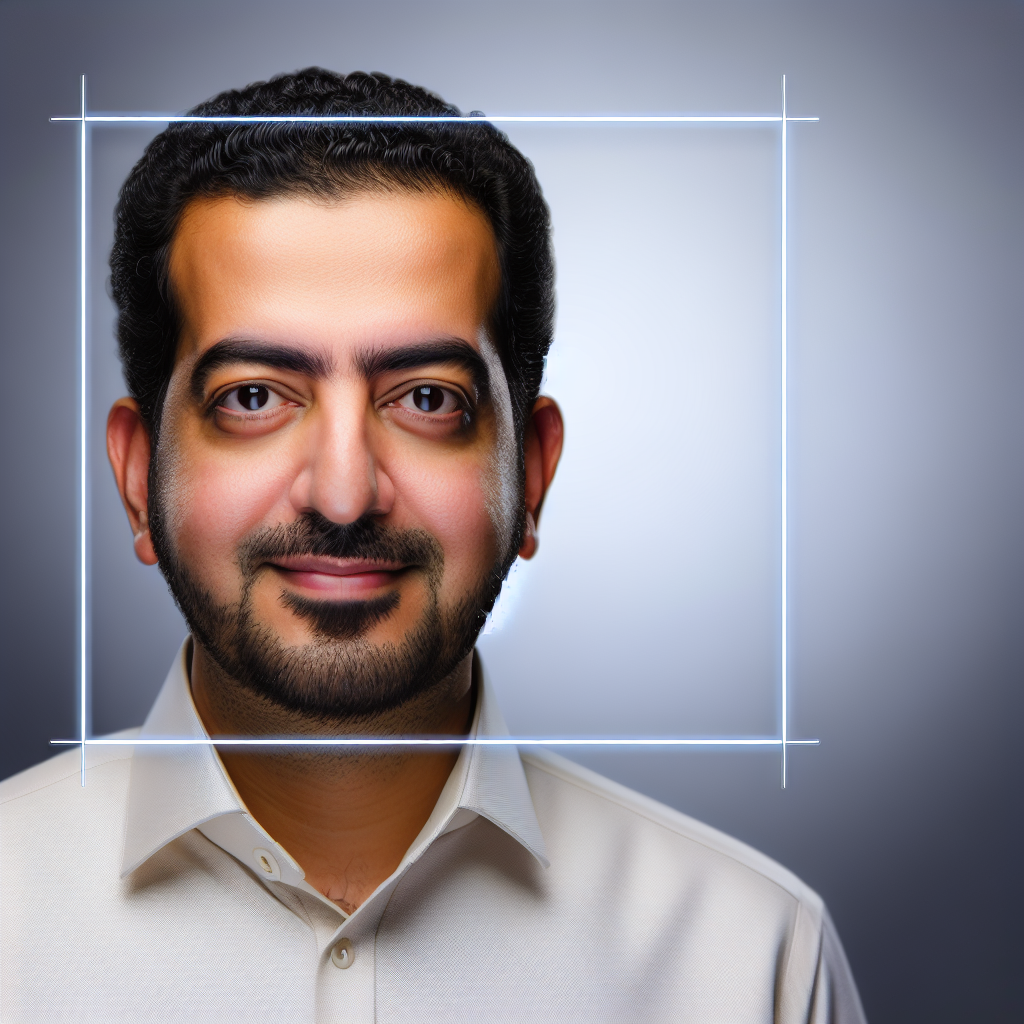
We’re in the thick of a reality crisis, folks. The digital landscape is flooded with AI-generated images and deepfakes, blurring the lines between what's real and what's fabricated. In 2026, we find ourselves grappling with a critical question: how can we protect our shared understanding of reality in a world where deception is just a click away?
The Rise of Deepfakes
Let’s be honest, deepfakes aren’t just a niche concern anymore. They’ve permeated social media, news outlets, and even governmental communications. The White House has gone public with AI-manipulated images, and industry leaders like Adam Mosseri from Instagram are starting to warn us that trusting visual media is no longer a given. It’s a pivotal shift in how we interpret images. Are we losing control over our perception of reality?
The C2PA Initiative
One proposed solution to this conundrum is the C2PA, or Content Authenticity Initiative, backed by tech giants like Adobe, Meta, Microsoft, and OpenAI. However, according to Verge reporter Jess Weatherbed, the initiative has been plagued with issues. Designed primarily for photography metadata rather than AI detection, C2PA has seen lackluster adoption across the industry. This half-hearted commitment fails to address the urgent need for a reliable system to help differentiate genuine content from deceitful fabrications.
A Metadata Tool with Flaws
So, what exactly does C2PA do? In theory, it embeds crucial information into images at the point of capture, like when you snap a photo or generate an image. This data would ideally follow the content online, allowing users to see whether an image is real or manipulated. However, the promise of this system is undermined by its vulnerability. Metadata can be stripped or altered, leading many to question its effectiveness.
The Competitive Landscape
What about competitors? Google’s SynthID offers watermarking instead of metadata, while inference-based systems provide ratings on the likelihood that content is AI-generated. However, none of these systems are designed to be standalone; layering them may offer some protection, but it's not a foolproof solution.
The Role of Major Players
Interestingly, Apple has remained relatively quiet. Despite its influence as a major camera manufacturer, it hasn’t publicly embraced C2PA or any similar standards. This is puzzling given the stakes involved. If Apple were to adopt such measures, it could significantly bolster consumer trust in the visual media generated by its devices. Yet, here we are, waiting for a move that might never come.
The Challenge of Adoption
C2PA’s fate hinges on widespread adoption across various platforms and camera manufacturers. Currently, many established models don’t support this technology, making it difficult for photographers to rely on it for authenticity verification. Without a comprehensive rollout, C2PA’s potential remains just that, potential.
The Current Landscape of Misinformation
As AI-generated content proliferates, the public’s trust in visual media is eroding. Social media platforms like Instagram and TikTok are still wrestling with how to implement labeling systems effectively. Meanwhile, misinformation continues to thrive, with bad-faith actors leveraging AI to manipulate reality for their gain.
A Call for Accountability
The responsibility lies not only with tech companies but also with regulatory bodies. The need for guidelines and accountability has never been more pressing. As user trust wanes, we’re left wondering what it will take for these platforms to take decisive action against misinformation.
Conclusion: Navigating the Future
It’s clear that solving the deepfake dilemma won’t be easy. The technology is evolving faster than our ability to regulate it. As we navigate this complex landscape, the question remains: can we label our way into a shared reality? The answer may lie in collective action among tech companies, consumers, and regulatory frameworks. Watch this space closely.

Jordan Kim
Tech industry veteran with 15 years at major AI companies. Now covering the business side of AI.