

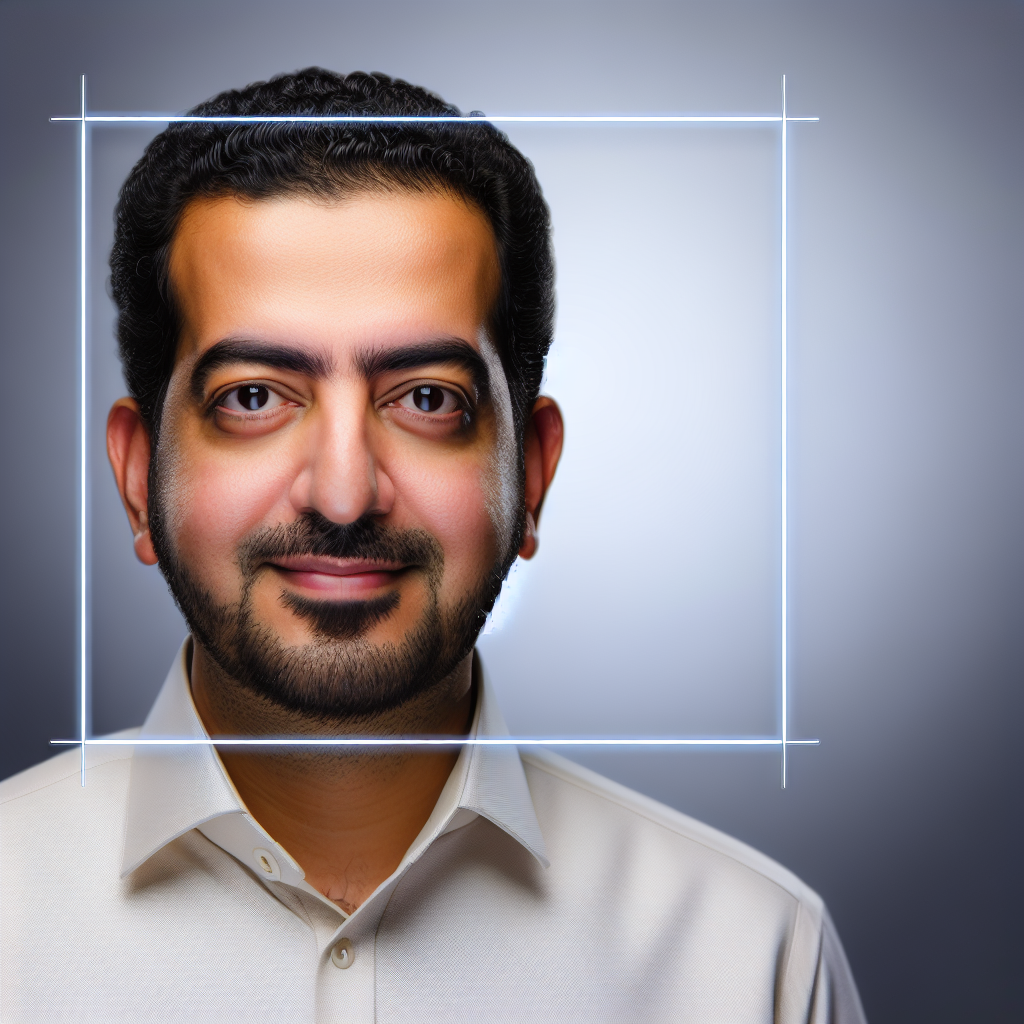
Disneyland is no stranger to innovation, continually pushing the envelope in how it enhances guest experiences. Recently, the Magic Kingdom has implemented face recognition technology for its visitors, a move that raises eyebrows and sparks conversations about privacy, convenience, and security.
Magic Meets Technology
At the heart of this new initiative is the goal of seamless entry to the park. Instead of fumbling through bags for tickets or passes, visitors can simply walk up to the gate and have their faces scanned for entry. This system aims to reduce wait times and create a more fluid experience for families eager to dive into the enchantment of Disneyland.
The Mechanics of Face Recognition
So, how does it work? Disney has partnered with leading tech firms to deploy a system that captures high-resolution images of guests at entry points. These images are then compared against a secure database to confirm identities. According to Disney, the technology only retains images for a short time and is designed to protect user privacy while enhancing security.
Privacy Concerns on the Horizon
But let's be honest, introducing face recognition at a place like Disneyland isn't without its controversies. Privacy advocates are already voicing concerns about how this data is collected, stored, and potentially shared. Is this technology just a convenience, or is it an invasion of privacy? The question is critical as we move deeper into an era where our faces are constantly being monitored.
Industry experts suggest that while the technology can improve operational efficiency, it raises significant ethical questions. According to Sarah Nguyen, a privacy lawyer, "The deployment of facial recognition in public spaces like amusement parks could normalize surveillance in our daily lives, leading to a future where privacy is a luxury."
Market Trends: The Rise of Face Recognition
The trend extends beyond Disneyland. Other sectors are widely adopting face recognition, from security at airports to retail environments aiming to personalize customer experiences. In 2022 alone, the global facial recognition market was valued at approximately $3.8 billion and is projected to soar to $12.6 billion by 2028, showcasing the technology's increasing acceptance.
Tech Giants in the Game
Companies like Amazon and Microsoft are at the forefront of this technology. Amazon's Rekognition and Microsoft's Azure Face API are widely used in various applications, proving that the tech is viable and commercially beneficial. With Disneyland now in the mix, we could see an acceleration in how these technologies are integrated into public spaces.
The Business Impact
For Disney, the face recognition implementation could lead to a significant uptick in operational efficiency. By streamlining entry processes, Disneyland could enhance visitor throughput and maximize park capacity, a win-win for both guests and the bottom line. The catch is that they need to navigate the fine line between efficiency and ethics.
Parallel News: NSA Tests Anthropic’s Mythos Preview
In other tech news, the NSA is testing Anthropic’s Mythos Preview to identify vulnerabilities within AI systems. As AI continues to permeate various sectors, the need for robust security measures has never been more pressing. The organization aims to assess how well this advanced AI can handle security threats and if it can predict potential risks effectively.
What This Means for AI Security
Given Anthropic's reputation as a leading AI research firm, the NSA's engagement with their technology signifies a trend towards greater scrutiny in AI applications. As we witness rapid advancements in AI, agencies are increasingly tasked with ensuring these systems are not just innovative but also safe and secure. What does this mean for businesses looking to integrate AI? Quite simply, they must prioritize security alongside innovation.
Teen Charged in Scattered Spider Hacking Spree
Shifting gears, a Finnish teen has been charged in connection with the Scattered Spider hacking spree. Authorities allege that the youth was part of a cybercriminal group that targeted multiple high-profile companies. The implications of this case are substantial, especially as it highlights the vulnerabilities companies face in a digital landscape.
Understanding Cybersecurity Risks
The Scattered Spider incident serves as a reminder that cybersecurity must remain a top priority for businesses, irrespective of their size. Reports suggest that cybercrime costs businesses an estimated $6 trillion annually, a figure that could rise significantly in the coming years. Industry experts warn that as technology advances, so too do the tactics employed by cybercriminals.
The Bottom Line
Ultimately, Disneyland's adoption of face recognition technology signals a new chapter in how we interact with public spaces. It offers convenience and efficiency, but at what cost? As we navigate this new terrain, it’s paramount for both businesses and consumers to engage in conversations about privacy and ethics. We’re standing at the crossroads of innovation and responsibility.
With the NSA probing AI vulnerabilities and ongoing concerns about cybersecurity, the tech landscape is evolving rapidly. Businesses must adapt to these changes while keeping ethical considerations in mind. So, as we continue to embrace new technologies, let’s keep the dialogue open. After all, it’s not just about where the technology is heading; it’s about how we manage its impact on our lives.

Jordan Kim
Tech industry veteran with 15 years at major AI companies. Now covering the business side of AI.