

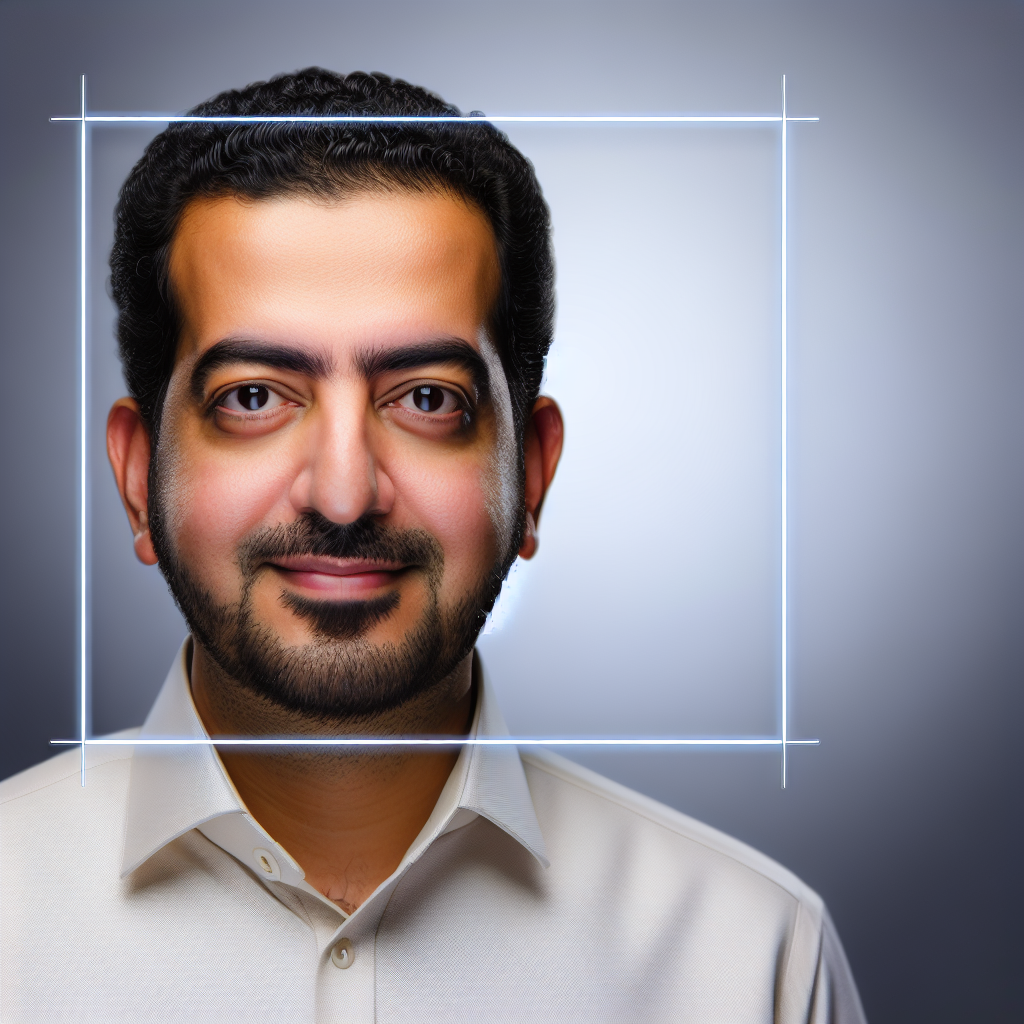
The Super Bowl is a prime stage for advertisers, and when whispers about OpenAI's latest ad started circulating, it set the tech world abuzz. But here's the twist: what everyone thought was a leaked advertisement turned out to be a hoax. As the game neared its final minutes, a Reddit thread sparked chatter about an ad featuring a shiny orb and wraparound earbuds, starring none other than Alexander Skarsgård. The catch? It was all smoke and mirrors.
The Origin of the Hoax
This saga began with a now-deleted Reddit post from an employee who claimed that the ad they worked on never aired, leading to frustration and a supposed leak of the ad. The post showcased an image of Skarsgård with a futuristic device, sparking a flurry of speculation. But was this a clever marketing tactic or just a case of misinformation?
Understanding the Reaction
OpenAI’s president, Greg Brockman, took to X (formerly Twitter) to quell the rumors. His response was swift, and he labeled the circulating video as fake. "Just another day in tech," he tweeted, adding a layer of irony to the situation. Experts in the field suggest that this kind of misinformation isn't new, especially in the fast-paced realm of tech and advertising.
Marketing Implications
The incident raises critical questions about brand perception and trust. In the digital environment, misinformation can spread like wildfire. The bottom line is that OpenAI's reputation could be at stake. What does it mean for a company to have its innovations misrepresented in such a public forum?
- Brand Trust: OpenAI must work harder to maintain its credibility.
- Market Perception: Users might start questioning the authenticity of future product launches.
- Impact on Investors: Misinformation can lead to volatility in stock prices.
The Role of Social Media
Social media platforms have become a double-edged sword for tech companies. On one hand, they provide a platform for direct communication with the audience. On the other hand, they can amplify rumors and misinformation at an alarming rate. In my experience covering this space, the power of social media often lies in its unpredictability.
“In a world where information travels quickly, brands must maintain transparency,” says marketing analyst Sarah Lee.
The Future of OpenAI’s Hardware Aspirations
Moving beyond the hoax, it’s worth discussing OpenAI’s potential hardware ambitions. While the orb and earbuds were merely a mirage, it’s not far-fetched to consider that OpenAI is exploring physical products. Industry analysts suggest that as AI technology evolves, so too must the interfaces we use to interact with it.
Companies like Apple and Google have already paved the way with their hardware offerings. A shift towards hardware could open new revenue streams for OpenAI, but they must tread carefully to avoid further public relations missteps.
The Competitive Landscape
The tech market is fierce. OpenAI faces stiff competition from giants like Google, whose recent ventures into AI hardware have garnered significant attention. If OpenAI is to make a splash, they need a clear strategy and a compelling product that resonates with consumers.
Final Thoughts
The OpenAI ad hoax serves as a reminder of the importance of vigilance in the tech industry. Companies must not only innovate but also protect their brand integrity against the tide of misinformation. What will be OpenAI’s next move? Will they pivot into hardware, or will they focus on refining their software offerings? As this saga unfolds, one thing is clear: I’ll be watching closely.

Jordan Kim
Tech industry veteran with 15 years at major AI companies. Now covering the business side of AI.